


|
Quantity
|
Total
|
||
|
|
|||
Inclusive solutions
ASPAR · Engineering · Installation
Accessible routes across stairs and changes in level
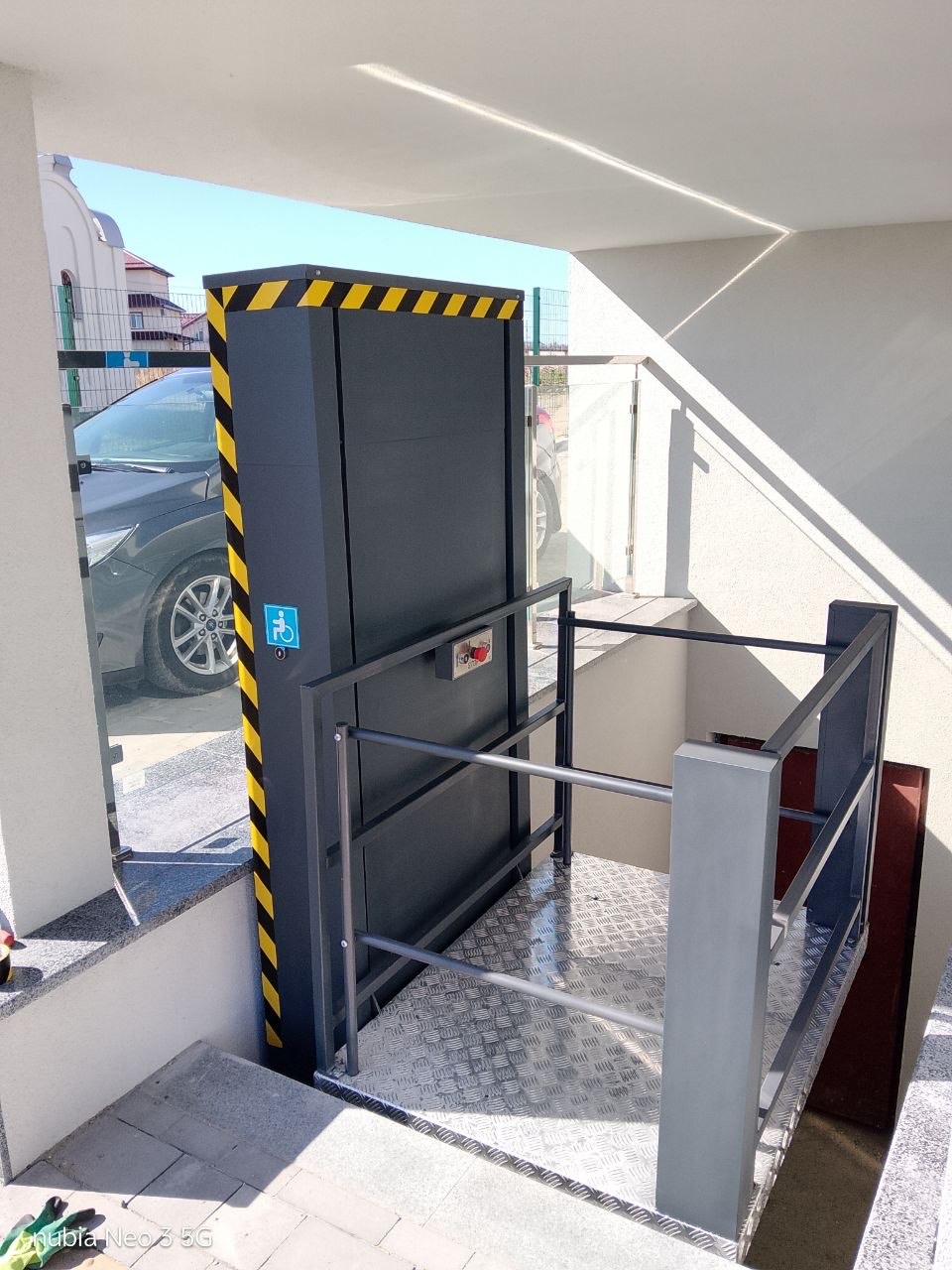
ASPAR manufactures vertical and inclined platform lifts that help create an accessible route across stairs or a change in level. The equipment type is selected around the site geometry, user route, available space and installation conditions. To start the assessment, send photographs, a plan, the height difference and details of the proposed location.
Technical and commercial guidance
A solution for the complete accessible route
The client needs more than an individual mechanism. The route between levels must be clear and usable. Selection is affected by the entrance layout, stair flight, direction of travel, available area, expected use and interaction with the building.
What determines the solution
Vertical or inclined platform lift
01
Vertical platform lift
Travel is required between levels on a vertical path · Height, platform location, entry directions, guarding and building preparation
02
Inclined platform lift
The route follows a flight of stairs · Stair geometry, clear width, entry direction and stopping areas
03
Other special solution
Standard travel paths do not solve the task · Actual geometry, user scenario and permissible building work
Technical and commercial guidance
Information required for selection
- site address and building type;
- photographs or a plan of the installation area;
- height difference;
- stair geometry when an inclined route is being considered;
- preferred entry and exit directions;
- available power supply;
- indoor or outdoor installation conditions;
- user needs and the expected operating scenario.
An engineer reviews this information and explains which equipment type should be assessed next.
Technical and commercial guidance
Certification and claim boundaries
ASPAR vertical lifting platforms for persons with disabilities are certified within the product-type scope and validity of certificate UA.PN.191.3945-25. ASPAR inclined lifting platforms for persons with disabilities are certified within the product-type scope and validity of certificate UA.PN.191.3946-25.
The certificates do not list ASPAR commercial model codes. Equipment certification is not automatic proof that an entire building complies with Ukrainian DBN requirements. Review the documents and exact scope.
Verified experience and useful resources
Real ASPAR solutions
For an entrance in Kyiv, ASPAR delivered a hydraulic lift together with a folding ramp. View the case.
For a building used by internally displaced people in Kharkiv, two inclined lifts were installed within a restricted space. View the case.
Technical and commercial guidance
What affects the price
Price depends on the travel type, height, platform, entry directions, guarding, drive, material execution, building preparation, delivery and installation. An accurate quotation can be prepared after the site and configuration have been reviewed.
Technical and commercial guidance
How the project proceeds
- Collect the input data.
- Select the equipment type.
- Agree the configuration and quotation.
- Manufacture the equipment and prepare the site.
- Complete delivery, installation and commissioning within the agreed scope.
- Provide ongoing service under agreed terms.
Verified experience and useful resources
Useful guidance and service
How to choose a lift
Initial selection criteria.
How to choose a lift →Installation and dismantling
Equipment preparation and integration.
Installation and dismantling →Service and maintenance
Support after commissioning.
Service and maintenance →Frequently asked questions
Frequently asked questions
Which lift is best for a staircase?
It depends on the stair geometry, clear width, height and whether separate space is available. Photographs or a plan allow the vertical and inclined options to be compared.
Does lift certification prove that the entire building complies with DBN?
No. The documents support a defined equipment scope. Building compliance also depends on the project, installation conditions and completed works.
What information is needed for a quotation?
Send photographs or a plan, height, route geometry, installation location and a contact for technical clarification.
NEXT STEP
Select an accessibility solution
Describe the site and the route that must become accessible. ASPAR will help define the next technical step and prepare a quotation once the configuration is clear.