
SOLUTIONS FOR WAREHOUSES AND LOGISTICS
Lifting solutions for warehouses and logistics
For a warehouse, ASPAR assesses a cargo lift, scissor lift table or service lift according to the load, travel height, levels, loading method and available space.
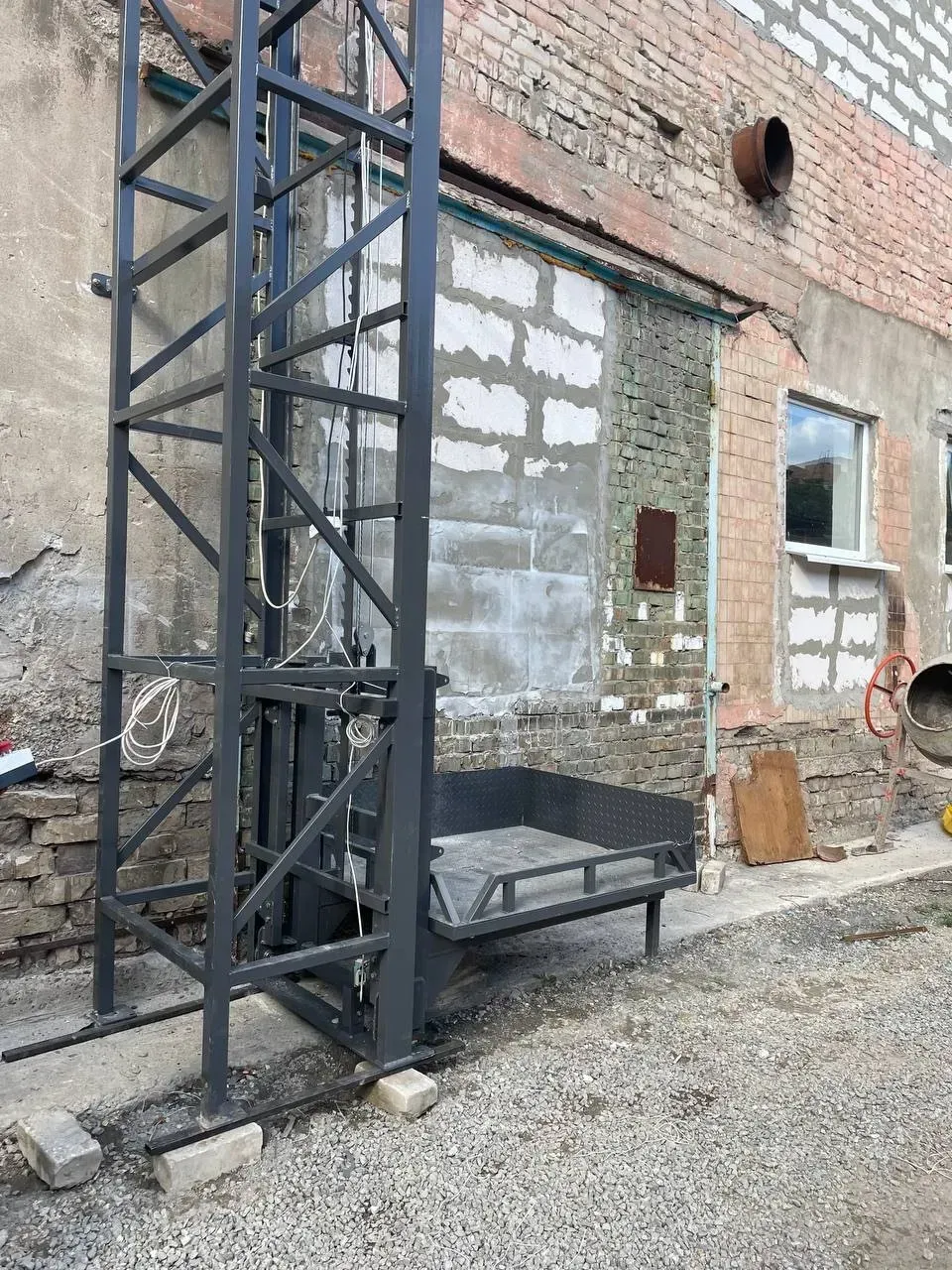
Logistics tasks supported
Equipment is selected for the actual load route, not only by category name.
Between levels
Moving pallets, trolleys and other goods between floors, a mezzanine or a process area.
Dock and working height
Level alignment and raising goods to a working or loading height.
Limited space
Selecting the platform, loading direction and guarding for the actual opening or shaft.
The task ASPAR solves
ASPAR reviews the load weight and dimensions, travel height and stops, loading method, available space and installation conditions. The final configuration is defined after the input data are checked.
Recommended solution types
Cargo lifts
For regular goods movement between levels or stops.
Learn moreScissor lift tables
For working or loading height and alignment of adjacent levels.
Learn moreService lifts
For compact loads and internal routes where a large platform is unnecessary.
Learn moreWhat determines the selection
Send the actual facility data. Parameters from one completed lift must not be applied automatically to a new warehouse.
- load type, weight and dimensions
- travel height and number of stops
- platform size
- loading method and direction
- indoor or outdoor conditions
- photos, plan or section of the installation area
Warehouse project in Kyiv
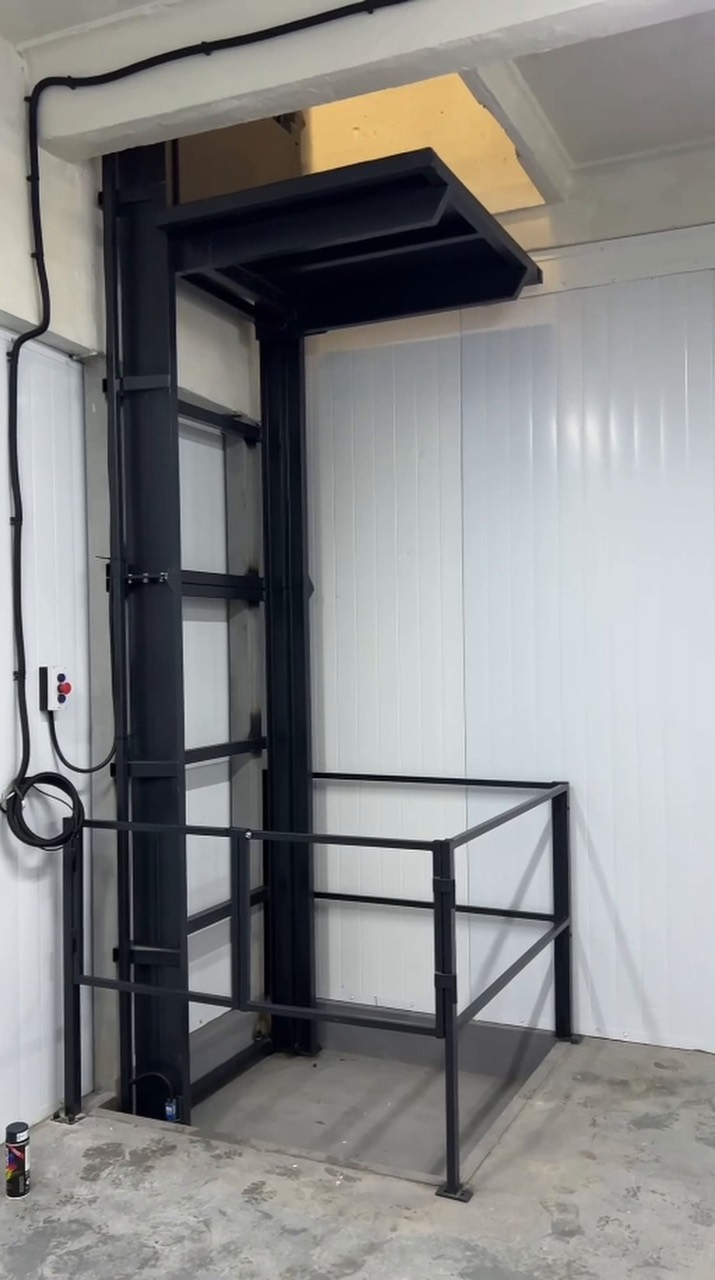
1000 kg electromechanical warehouse lift
ASPAR implemented a 1000 kg electromechanical lift for a warehouse facility in Kyiv. For another site, load capacity and configuration are determined by the goods, travel height, route and installation conditions.
View the projectIntegration and site preparation
Before calculation, the opening or shaft, loading zones, entry and exit directions, fixing points and power input are checked. Site readiness and adjacent-work responsibilities are agreed for the specific facility.
Useful resources and services
Frequently asked questions
Cargo lift or scissor lift table?
A cargo lift is considered for movement between levels; a scissor table raises a load to working or loading height.
Which load data are required?
Maximum weight, dimensions, container or trolley type, loading method and required platform size.
Can another project's parameters be repeated?
No. A new configuration is defined for the actual warehouse conditions.
What information is needed for a warehouse-lift calculation?
An initial calculation needs the load weight and dimensions, travel height and route, number of levels, loading method, and photographs or a plan of the installation area. These details help ASPAR determine the equipment category and configuration for the specific warehouse.
ASPAR equipment for a warehouse flow
The equipment set is determined by the goods route, travel height, loading interface and site conditions.
- For goods between levels: Hydraulic goods lift, Chain goods lift, Shaft goods platform lift, Hydraulic shaft goods lift, Electric shaft goods lift, Single-mast goods lift or Twin-mast goods lift.
- For goods handling at a working level: Hydraulic scissor lift table, Double scissor lift table or Low-profile scissor lift table for pallets.
- For a loading interface: Recessed electrohydraulic dock leveler; mobile alternatives where the task requires them are Mobile loading ramp and Mobile loading ramp with level platform.
Need a lifting solution for a warehouse?
Send the load parameters, travel height, number of levels and photos or a plan of the installation area. ASPAR will check the input data and propose an equipment category for calculation.