

|
Quantity
|
Total
|
||
|
|
|||
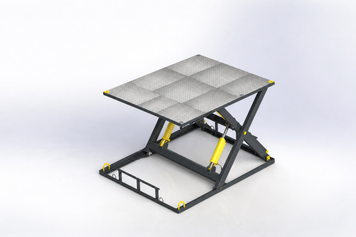
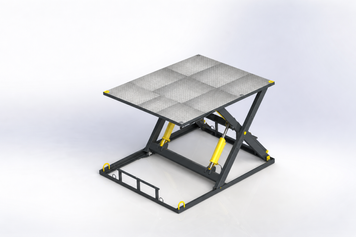
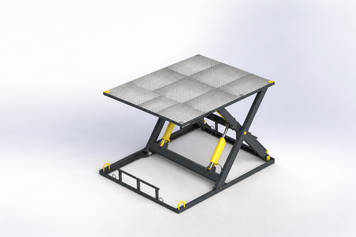
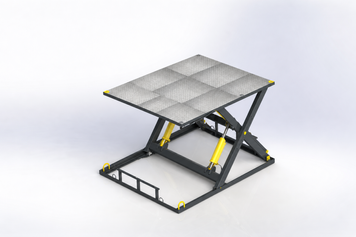
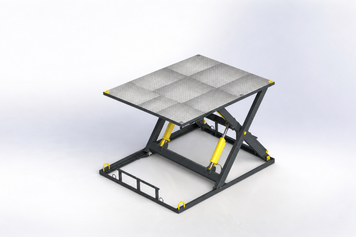
A scissor lift table raises or positions a load at the required working height. ASPAR selects the execution around the mass and dimensions of the load, movement range, platform, duty cycle and installation location. For an initial quotation, send a description of the operation, load data, required levels and photographs of the working area.
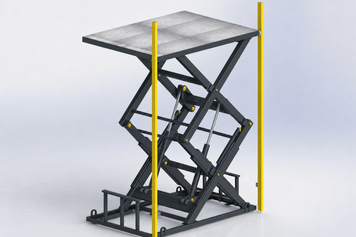
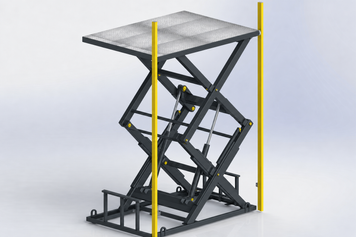
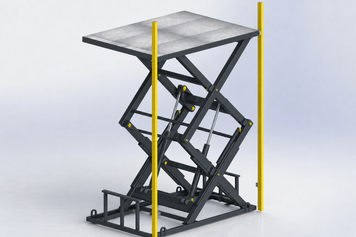
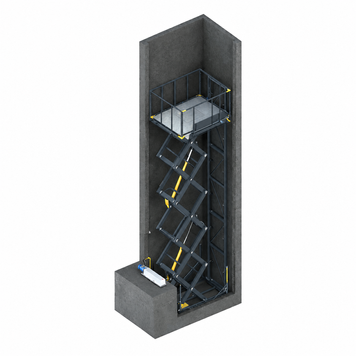
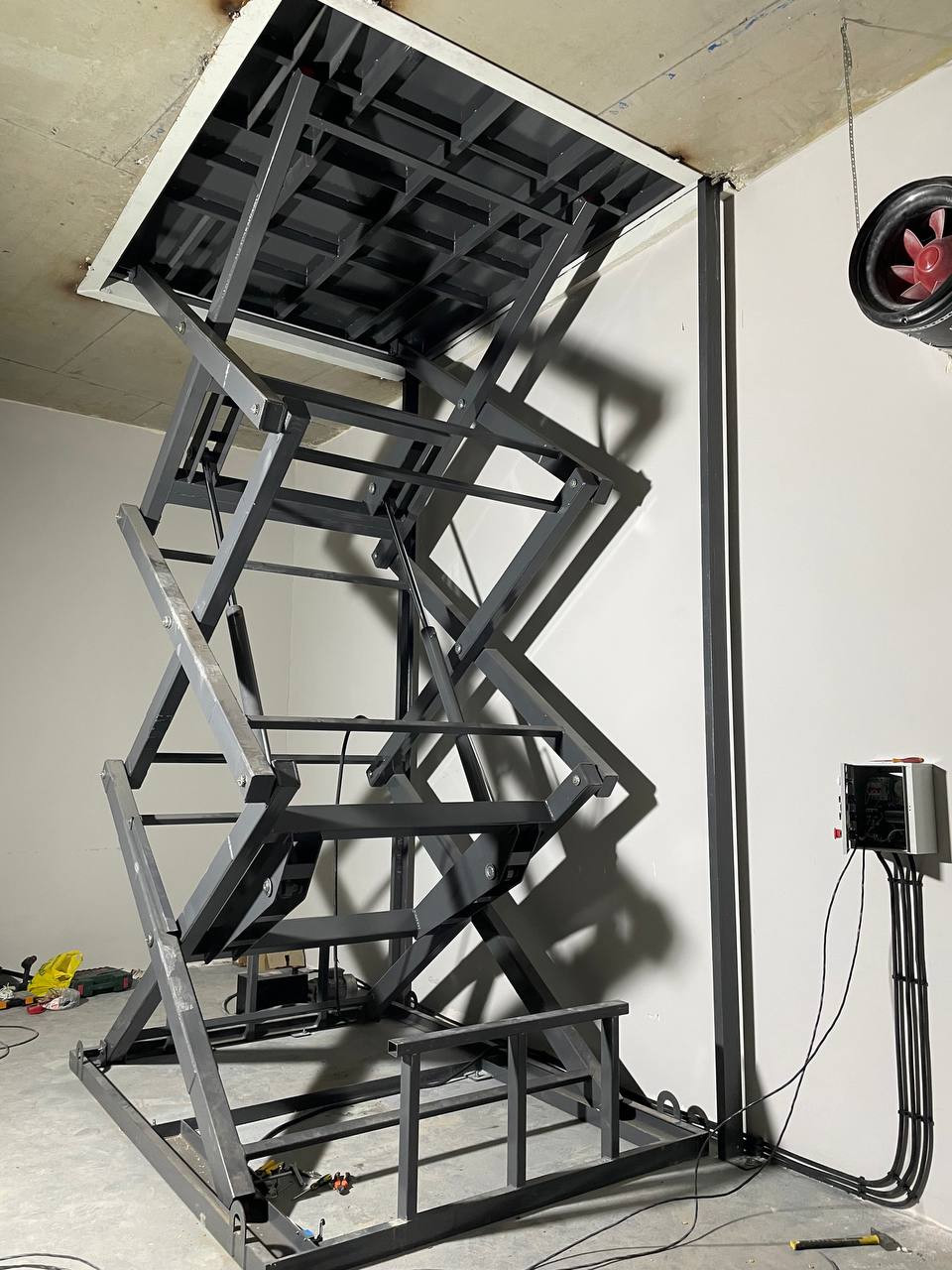
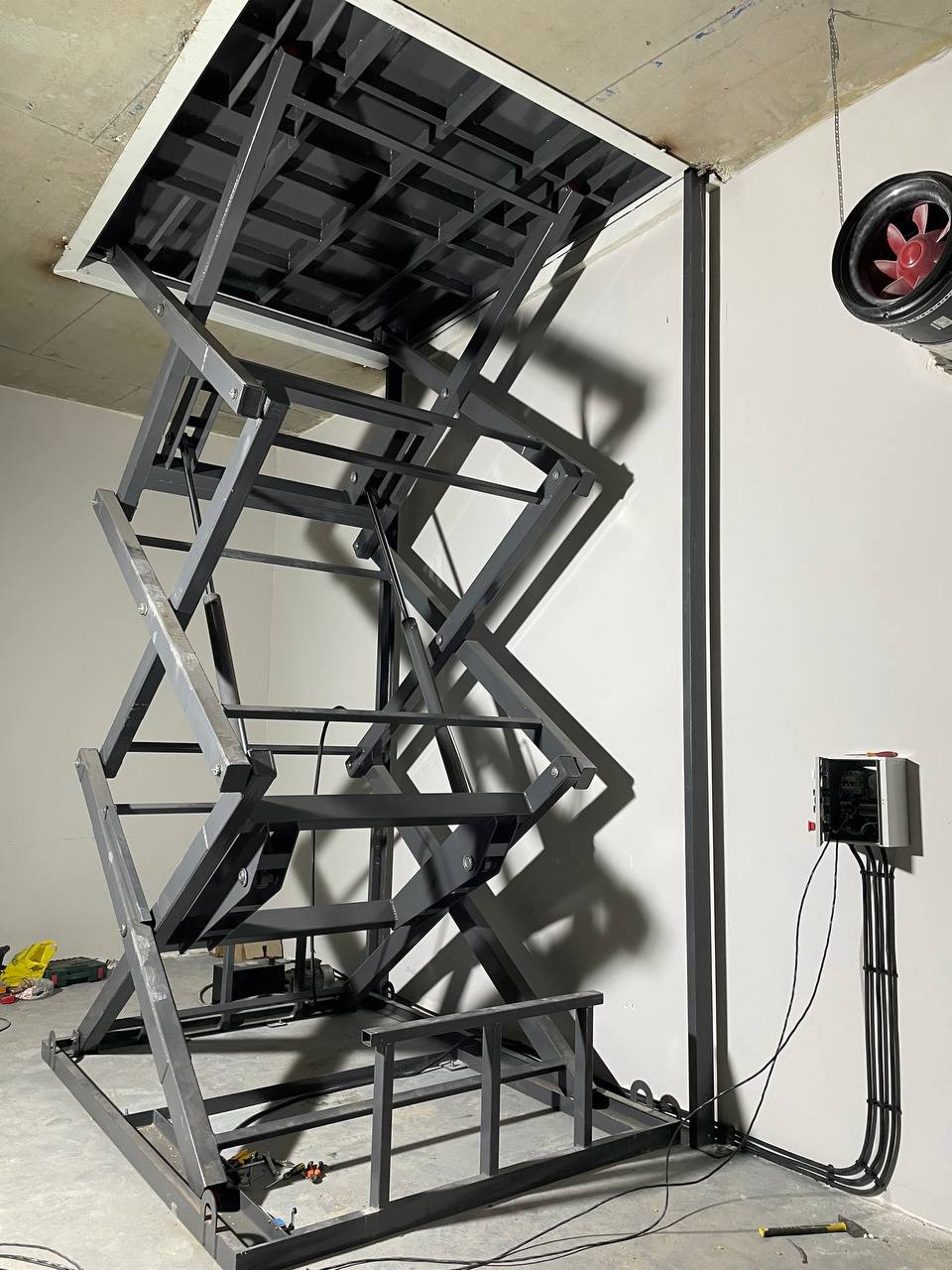
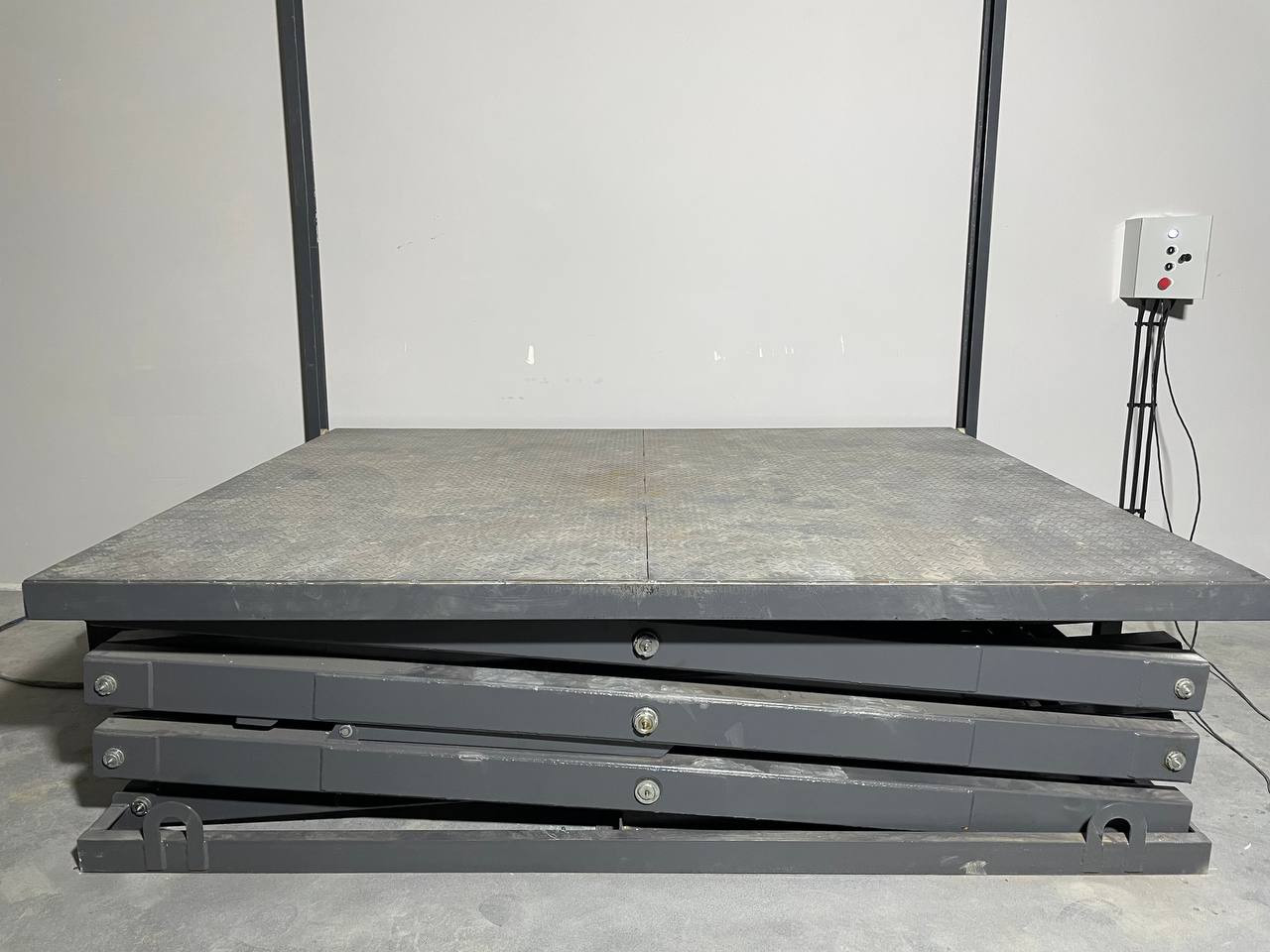
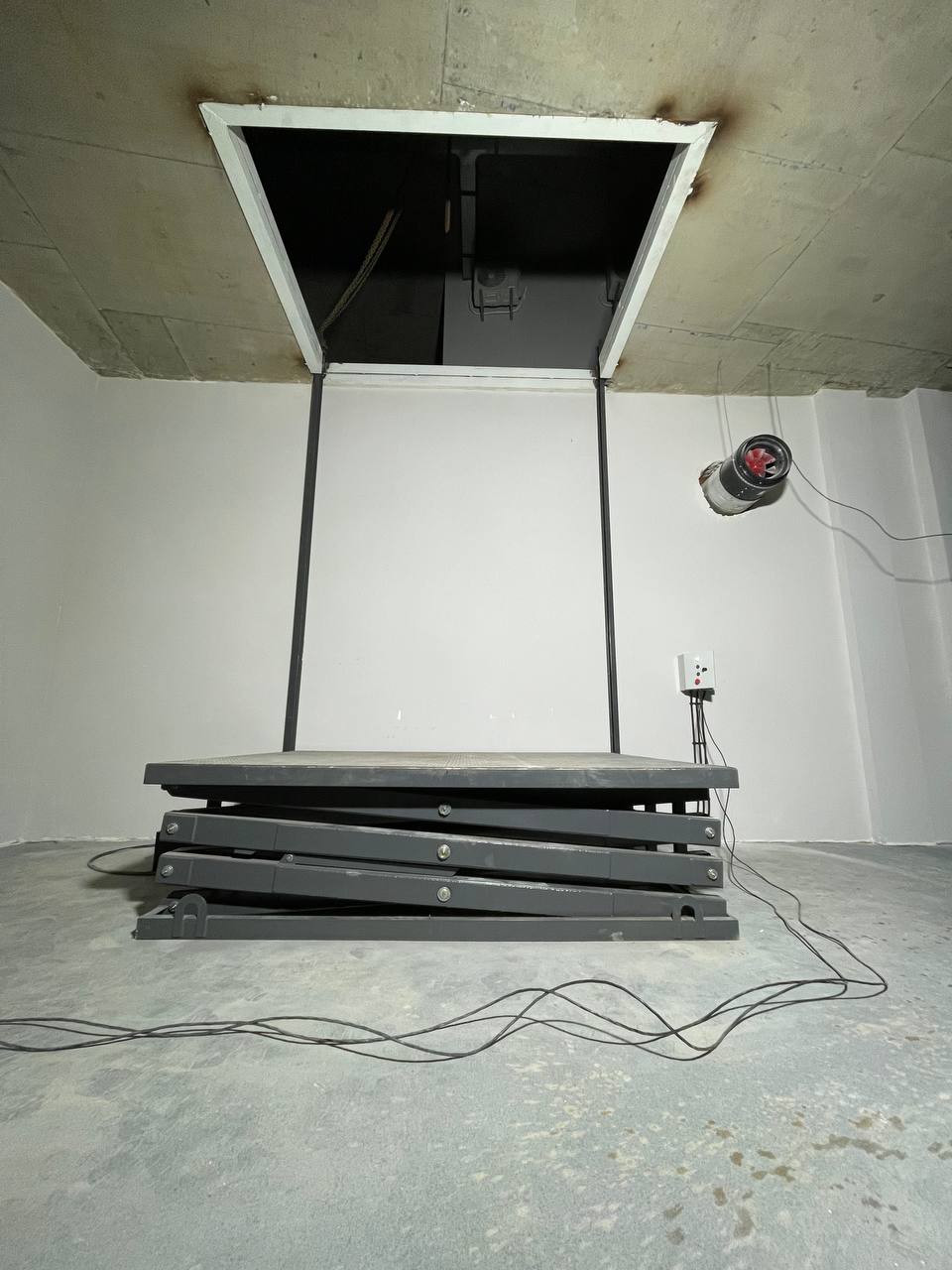
2-tonne multi-scissor goods lift in Kyiv
2000 kg · 2000 × 2500 mm · 380 V
ASPAR equipment in this category
Choose the equipment type for the route, load and site conditions.
Choose a scissor lift table type
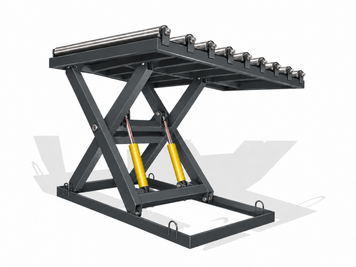
- Standard scissor lift tables
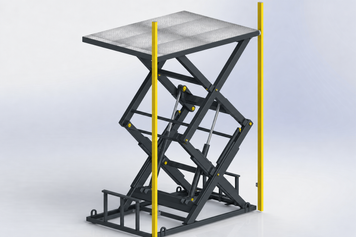
- Double-scissor lift tables
- Tandem scissor lift table
- Multi-scissor lift table
- Low-profile scissor lift table for pallets
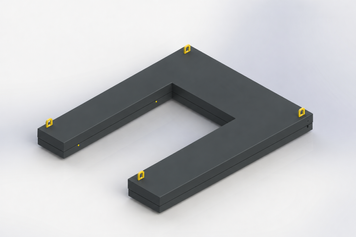
- U-shaped low-profile pallet lift table
For an object-specific task, see: Lifting solutions for warehouses and logistics, Lifting solutions for manufacturing and workshops.
More about scissor lift tables
Define the task first
A scissor table can be part of a warehouse, manufacturing or loading operation. Selection must consider more than the maximum mass. The loading method, load distribution, required height and interaction with personnel or other equipment also matter.
Which type to consider
| Type | When to consider it | What to confirm |
|---|---|---|
| Standard stationary | The working level must change vertically | Load, platform, lower and upper levels |
| Low-profile | Minimum closed height is critical | Loading method and base preparation |
| Tandem | A longer platform or different geometry is required | Load distribution and synchronisation of sections |
| Mobile | The working area must change | Surface, route, stabilisation and operating mode |
This is selection guidance, not a technical specification. Numerical limits are specified in the technical documentation for the selected execution.
Parameters for selected models
| Model | Load capacity | Height | Drive | Power supply / stops |
|---|---|---|---|---|
| Scissor lift table | 1,000 kg | up to 1.6 m; minimum 0.25-0.35 m | hydraulic | 380 V / 50 Hz |
| Double-scissor lift table | 1,000 kg | up to 3 m; minimum 0.35-0.50 m | hydraulic | 380 V |
| Tandem scissor lift table | 1,000-10,000 kg | up to 6 m; minimum 1.3 m | hydraulic | 380 V |
| Multi-scissor lift table | 500-10,000 kg | up to 8 m; minimum 3 m | hydraulic | 380 V |
| Low-profile scissor lift table for pallets | 500-2,000 kg | up to 1.2 m; minimum from 0.08-0.1 m | hydraulic | 380 V |
| Mobile scissor lift table | 300-1,000 kg | up to 1.6 m; minimum 0.35-0.45 m | manual foot pump or electrohydraulic | According to the model specification |
Each row describes a specific model or series. The ranges for tandem, multi-scissor, low-profile and mobile lift tables come from their respective product specification tables and are not universal category limits.
Information required for technical selection
- load mass, form and dimensions;
- load distribution on the platform;
- required minimum and maximum height;
- preferred platform size;
- loading method;
- operating frequency and cycle count;
- indoor or outdoor conditions;
- available power supply;
- need for mobility or floor integration.
What affects the price
The final price depends on the load, platform geometry, height, drive, base, guarding, controls, material execution, delivery and installation. The price is calculated for the selected configuration.
Frequently asked questions
Which information matters most for selection?
Start with the load, platform, lower and upper levels, loading method and operating frequency.
Can the table be recessed into the floor?
Feasibility depends on the structure, base, installation solution and the technical documentation for the selected execution.
When is a low-profile execution required?
It is considered when the closed height or loading method is critical. Final selection is based on the actual operating data.
How do I obtain an accurate price?
Send the load, height, platform and working-area data. ASPAR will prepare a quotation after the configuration has been reviewed.
How does a scissor lift table differ from a goods lift?
A scissor lift table is generally considered for load-handling operations within a work area, while a goods lift is used for vertical movement between levels. The choice depends on the load route, travel height, duty cycle and loading method. Read more in “Goods lift or scissor lift table”.
Select a scissor lift table
Describe the load-handling operation and add photographs or a layout of the workstation. An engineer will prepare the clarification list required for a technical quotation.