







|
Quantity
|
Total
|
||
|
|
|||
The price depends on the configuration, platform dimensions and installation conditions. Contact us for a calculation for your site.
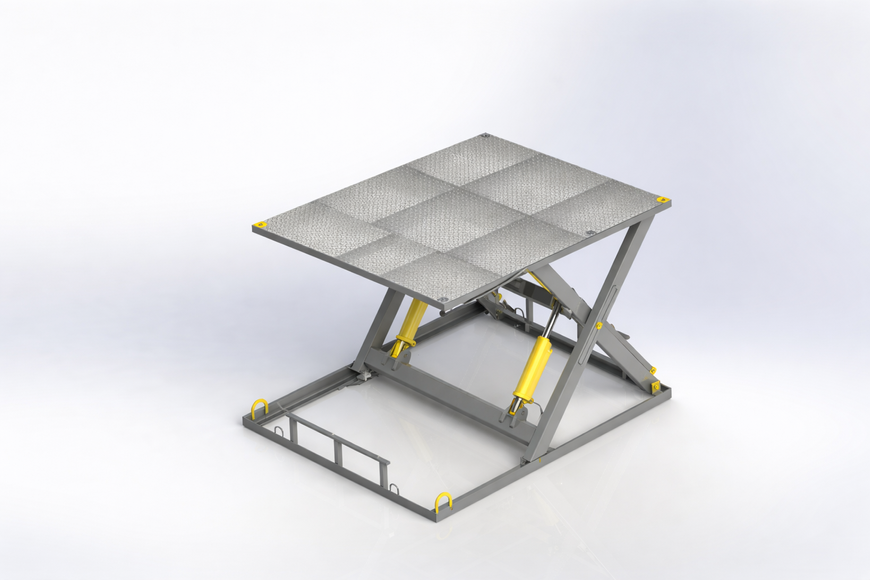
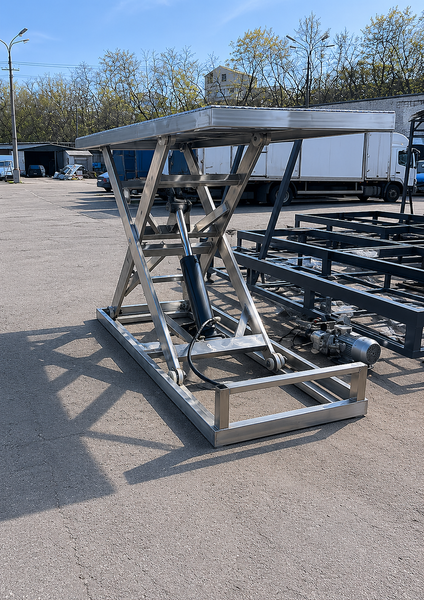
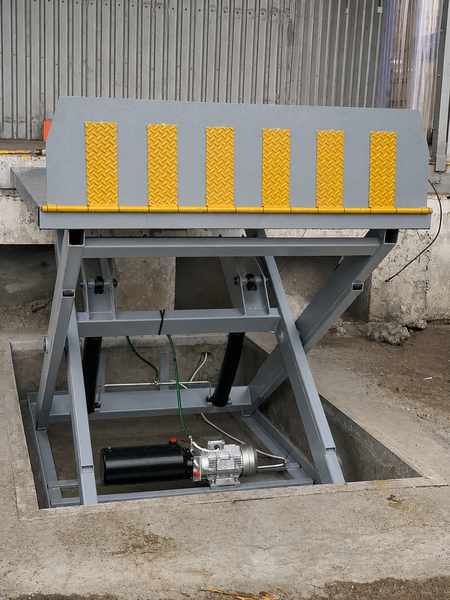
The ASPAR G hydraulic scissor lift table is stationary equipment for vertical lifting and positioning of loads at a fixed work point. It is used in warehouse, production and logistics processes when a load needs to be raised to a practical level for loading, processing or transfer between work areas. The configuration is selected for the load, operating scenario and site conditions.
Where a hydraulic scissor lift table is used
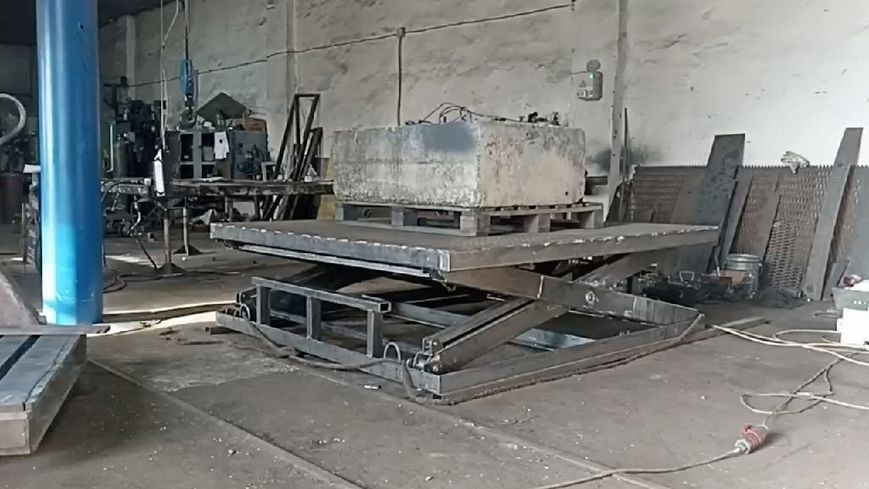
A G scissor table can be part of a warehouse operation, production workstation, workshop or loading area. It is suitable where controlled vertical movement of a load is required at one work point without moving the equipment itself around the site.
When a standard G table is appropriate
The basic G configuration is appropriate when a load must be raised vertically on a stationary platform and a practical working height is needed for a specific operation. Before selection, the load weight and dimensions, required travel, loading method, platform location and access to the work area are defined.
When to consider another scissor-table design
- A double-scissor GHL table or a GHL-M multi-scissor design may be considered when different geometry or greater working travel is required.
- A GHL-T tandem table is relevant for long loads and operations that need an extended work area.
- Low-profile LP tables and U-shaped LP-U tables are used where pallet-truck access or a low loading level is critical.
- A mobile M table should be considered if the equipment must move between work areas.
Information needed for selection
For an accurate selection, provide the load weight and dimensions, required platform dimensions and lifting height, loading and unloading method, installation conditions at floor level or in a pit, expected operating intensity, available power supply, and requirements for access to and guarding of the work area.
Technical characteristics and configuration
The specification table lists the parameters of the particular configuration. When comparing options, consider the combination of the load, platform, lifting height, feed method and installation conditions rather than one parameter in isolation. This helps match the equipment to the real operation, not only to a generic equipment name.
Integration into the work area
Before manufacture and installation, the installation location, building preparation, load travel path and interaction with adjacent processes are agreed. ASPAR reviews the source data for the site to define the equipment configuration and installation requirements.
Related solutions
Related project
Five U-shaped hydraulic lift tables for Kyiv is an implementation example for the related LP-U scissor-table family. The table type for each site is determined from the actual load and material-handling scenario.
Useful material
Goods lift or scissor lift table: which is right for your task
Related products
- GHL double-scissor lift table
- GHL-T tandem scissor lift table
- GHL-M multi-scissor lift tables
- LP low-profile scissor lift table
- LP-U U-shaped low-profile lift table
- M mobile scissor lift table
Frequently asked questions
How does a scissor table differ from a goods lift?
A scissor table is used for vertical lifting and positioning of a load at a work point. The choice between a table and a goods lift depends on the load route, required height, number of levels and process layout.
How are the required capacity and platform size determined?
Consider the load weight and dimensions, how it is fed onto the platform, and load distribution during operation. These details are used to select the specific configuration.
Can the table be installed at floor level or in a pit?
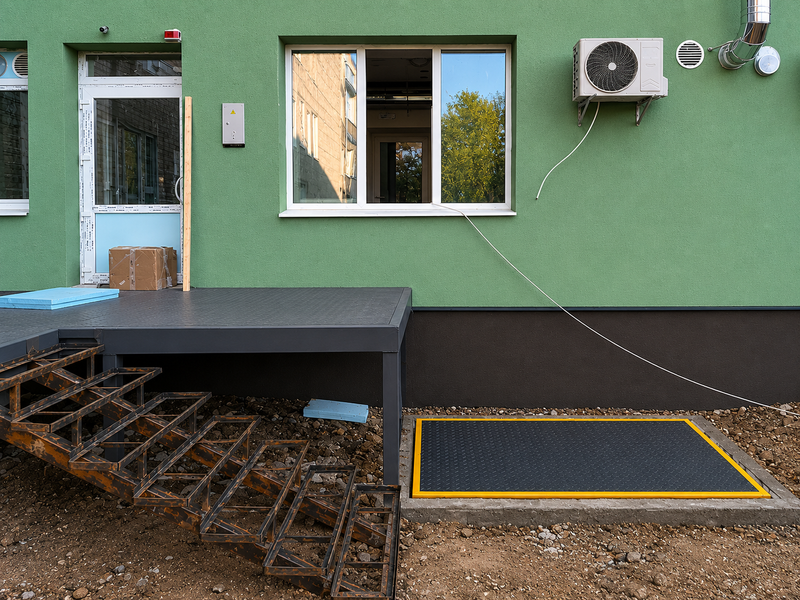
A particular model can be designed for floor-level installation or installation in a pit. The final choice depends on the work-area layout, loading method and building conditions.
When is another scissor-table design needed instead of G?
If the requirements change for geometry, work-area length, pallet entry or equipment mobility, compare G with GHL, GHL-T, GHL-M, LP, LP-U or M.
What information is needed for a quotation?
Describe the load, platform, required lifting height, loading method, installation location, power conditions and operating mode. This allows a proposal to be prepared for the site task.
See also: Scissor lift tables.