ASPAR · SCISSOR TABLE ENQUIRY
Five sections for your first enquiry: what you will lift, how the load rests on the platform, the operation to perform and the work-area details to prepare.
Call ASPAR+38 (066) 307-58-87

A request for a scissor lift table for pallets leaves several questions open. What is on the pallet, what are its dimensions, where does the load need to go, and what happens next? For an initial enquiry, a short brief with measurements, photographs and a description of the operation is useful. The five sections below help you prepare information for ASPAR without choosing the table design yourself.
1. What will the table lift?
Describe the load clearly: packaged products on a pallet, a component in a container, workpieces or an equipment assembly. Explain whether the contents change during the operation. For example, a full pallet may arrive at the table, with only some of the products remaining after the task.
Record the product weight and separately identify the pallet, container and fixtures you intend to lift with it. State the heaviest combination that will be on the platform at the same time. If the weight is only approximate, label it as an estimate so it is not mistaken for a confirmed measurement.
Use separate rows for different load types. Do not combine them into one description if the heaviest load and the largest load have different configurations. Compare the specifications on a scissor lift table product page against the full load description.
2. What are its dimensions and contact points?
Measure the length, width and height of the load as it will arrive at the table. Include packaging and protruding parts. Record the dimensions of the pallet, container or other support separately if they differ from the overall dimensions.
Add a simple top and side sketch. Mark where the load contacts the platform: the pallet base, feet, skids or wheels. If you know where the heaviest part is located, mark it on the sketch. You do not need to calculate the centre of gravity or decide whether a particular placement is permissible.
Photograph the complete load and its supporting base separately. A photograph helps explain the shape, but dimensions should be written as numbers. Keep the preferred platform size separate from the actual load dimensions.
3. What operation should the table perform?
When planning a lifting solution for manufacturing, describe the sequence in a few sentences: where the load comes from, how it reaches the table, what happens after lifting and where it goes next. Identify the equipment that will work with the table. Include its dimensions or a work-area layout if available.
Explain whether you need one working height, several positions or height adjustments during the operation. Also note whether products are added or removed in stages.
Record the operating pattern separately: how many shifts the area runs, how often the operation repeats and whether there are periods of more intensive use. Distinguish measurements from an existing process from targets for a new one. A short video can help explain the sequence.
4. Where will the table be installed, and which levels must it serve?
Show the installation area in an overview photograph. Mark nearby equipment, access routes and the available space. If the table will work alongside an existing line, include a photograph of the load transfer point, not just the empty floor area.
Record the lower and upper working levels from one clearly identified reference, such as the floor. Explain exactly what you measured: the surface height of the receiving equipment, the required platform position or the difference between levels. This helps keep distinct measurements clear in the brief.
State whether floor-mounted or recessed installation is being considered, whether the table will operate indoors or outdoors, and what electrical supply is available. Leave unknown parameters as questions to resolve. Do not select an installation arrangement solely because it was used on another site.
5. What should you send ASPAR in one message?
Bring the information together in a short package:
- Load: description, items lifted together, weight and possible variations.
- Geometry: dimensions, supports, sketch and photographs.
- Operation: loading method, work sequence and frequency of use.
- Work area: required levels, available space and installation conditions.
- Open questions: what has been measured and what still needs checking.
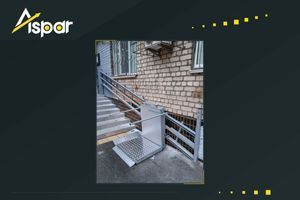
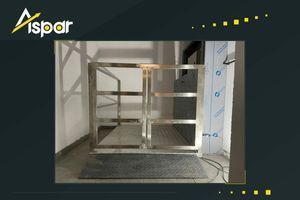
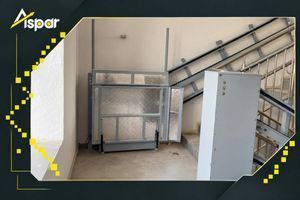
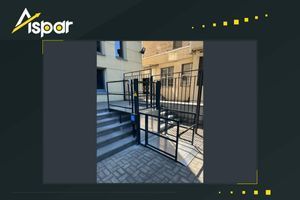
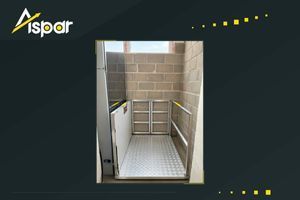
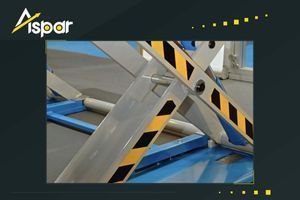
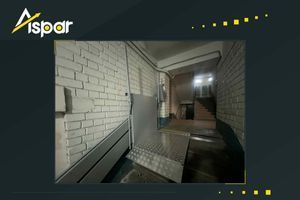
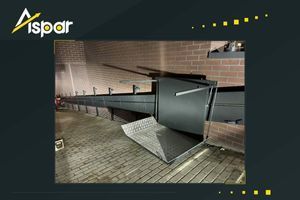
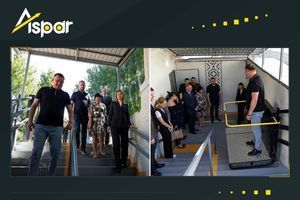
For an example of how a completed solution is described, see the ASPAR scissor lift table in Borshchiv. The project lists load capacity, platform dimensions and lifting height separately. These specifications apply to that particular installation; another load needs to be assessed using its own project information.
Send the brief with photographs or a layout of the work area. ASPAR can use it to identify the questions that need answering before selecting a scissor lift table for your operation.