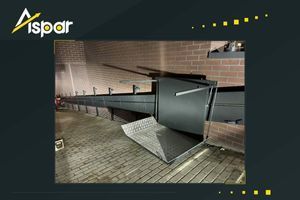
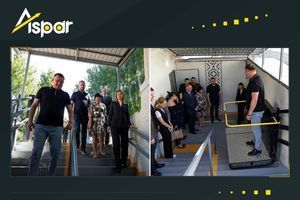
“We need a shaft lift or a chain-driven lift” sounds like a choice between two alternatives. In fact, it mixes different features. A shaft describes how the travel zone is arranged, a chain system relates to the drive, and a cantilever or two-post layout describes the supporting structure. Separate these questions when comparing proposals.
Help finding a solution
+38 066 307 58 87
1. Structure: what supports and guides the platform
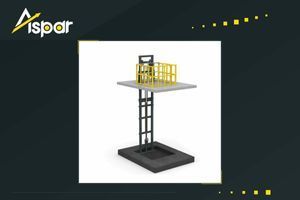
The structural layout defines the positions of the platform, guides, supports and attachments. In a cantilever arrangement, the platform projects from the guide post. A single-post or two-post arrangement addresses another question: the number and relative positions of supports. Do not automatically describe every mast lift as a cantilever lift.
Selection requires more than a load figure. Cargo dimensions, support points, platform size, loading method and the available building structure all matter. An additional opposing support does not, by itself, establish that there are two driven masts. Confirm the layout using the manufacturer’s drawing and documentation.
2. Drive: how movement is produced and transmitted
ASPAR’s current catalogue includes hydraulic, chain-driven and cantilever wire-rope electric-hoist series. The first name highlights the hydraulic drive, the second the chain drive, while the third names both the structure and the wire-rope hoist. These are not three mutually exclusive names for supporting layouts.
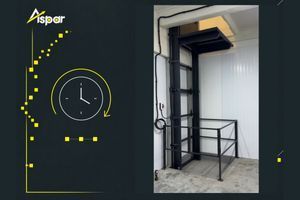
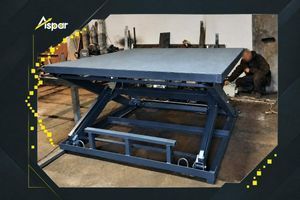
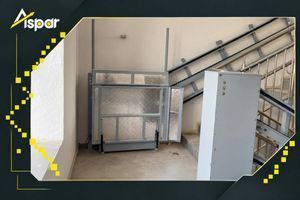
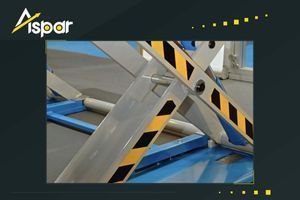
A single visible chain in a photograph cannot establish the complete drive type: the image does not explain the function of each component. A product title is not a substitute for a technical description either. Ask a supplier to state the drive, supporting layout, main assemblies and agreed parameters separately.
3. Shaft: how the equipment is integrated into the building
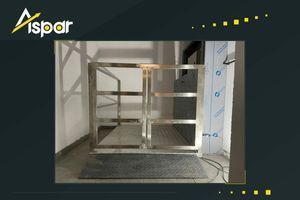
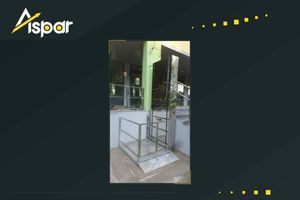
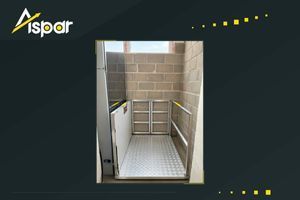
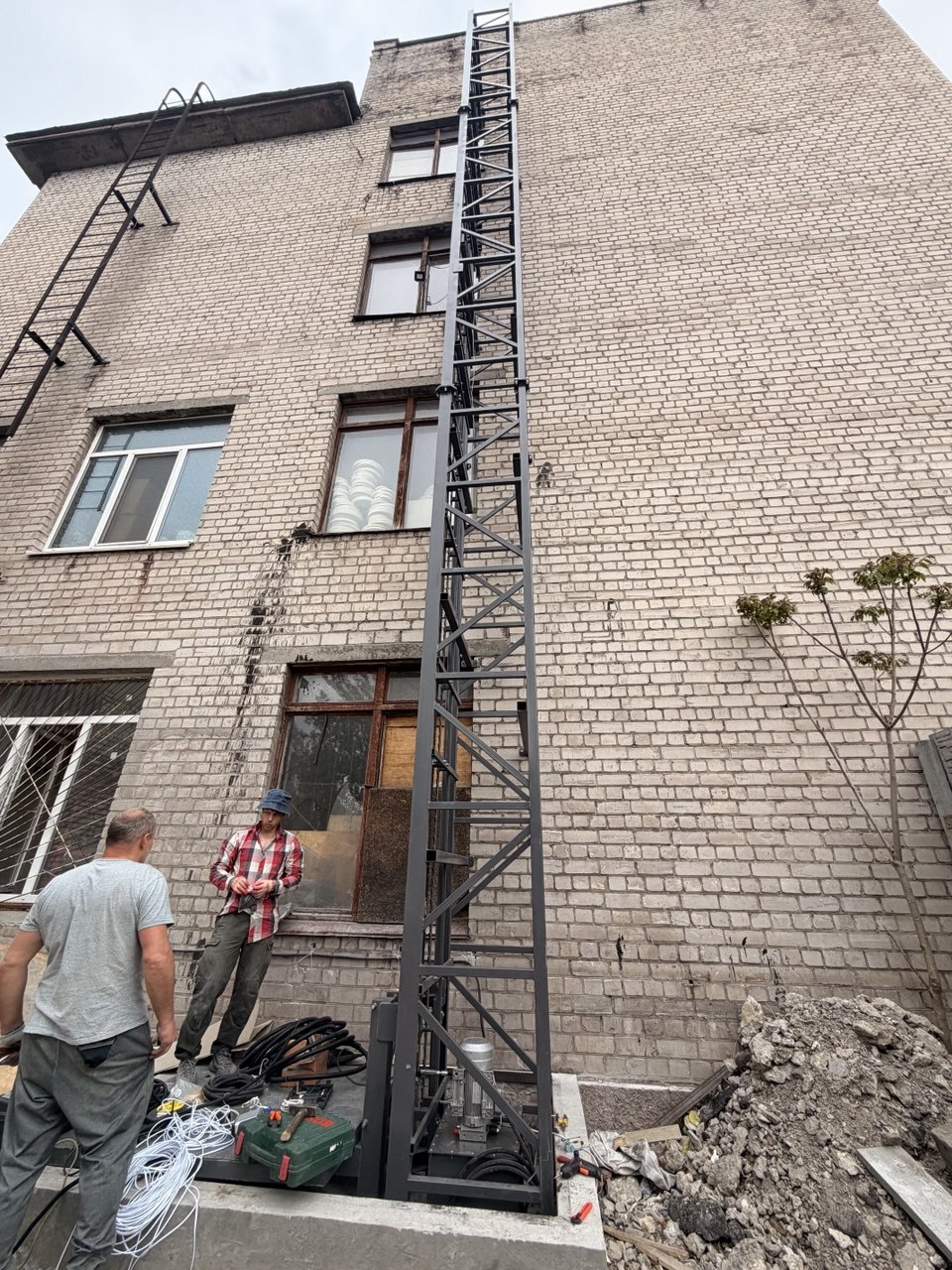
A shaft arrangement concerns the platform travel space and its separation from adjacent areas. A shaft may form part of the building or be a separately agreed steel structure. A self-supporting frame and an enclosure have different functions; the appearance of a frame does not establish that every integration issue has been resolved.
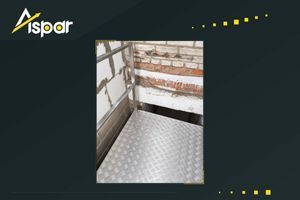
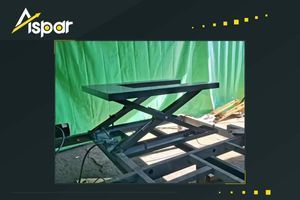
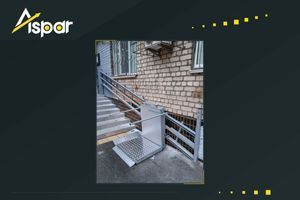
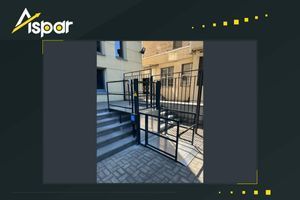
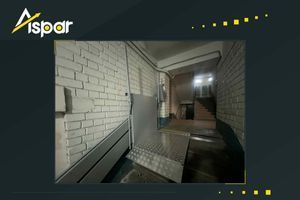
Installation without an existing building shaft does not mean operation without protection. The travel-zone enclosure, doors, access at stops and protective devices must be determined for the particular solution. An installation photograph showing exposed assemblies is not an example of a completed installation ready for use.
Why all three features must be checked together
ASPAR’s hydraulic series provides for different structural layouts and installation in a shaft or on a self-supporting frame. The chain-driven series also requires the number of supports and enclosure configuration to be agreed for the site. The wire-rope electric-hoist product explicitly specifies a cantilever structure. These examples show why one term cannot fully describe the equipment.
Separate features cannot be combined arbitrarily. A large platform, travel height, loading, operating intensity and attachment method affect one another. Suitability must be confirmed through the technical specification and engineering calculation. This article concerns goods handling and does not establish suitability for transporting people.
Turn a general enquiry into a clear task
Instead of simply requesting a shaft lift, describe the operation: a pallet is delivered by truck at the lower level and received at the upper level. State the total weight including packaging, dimensions and directions of movement. Then record separately whether a shaft exists, what is known about supports and which power supply is available. If the drive has not been selected, say so.
Ask for three separate entries in the proposal: structural layout; drive type; and installation arrangement describing the shaft or enclosed travel zone. This makes differences easier to identify instead of comparing titles and prices alone. Final parameters belong in the agreed documentation.
Information to prepare for the discussion
- Cargo, packaging or truck, total weight and dimensions.
- Level elevations, number of stops and desired platform.
- Loading and unloading sides at each level.
- A plan or section, site photographs, and information about the shaft and available supports.
- Operating pattern, indoor or outdoor conditions, and available power supply.
Examples from ASPAR’s current series
Shaft or mast: what to compare
Send the information you have and identify what is still unknown. ASPAR can help find a solution and clarify which parameters need checking for your site.