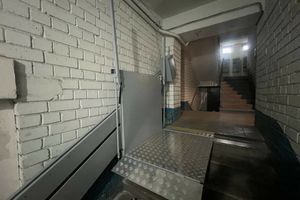
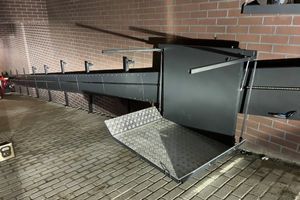
When choosing a scissor lift table for a warehouse or production site, the terms “multi-scissor” and “tandem” can appear interchangeable. Both involve several scissor sections, but their arrangement and the platform’s task matter. The number of scissor sections alone does not determine load capacity or suitability for your site.
Discuss your lift table: +38 066 307 58 87
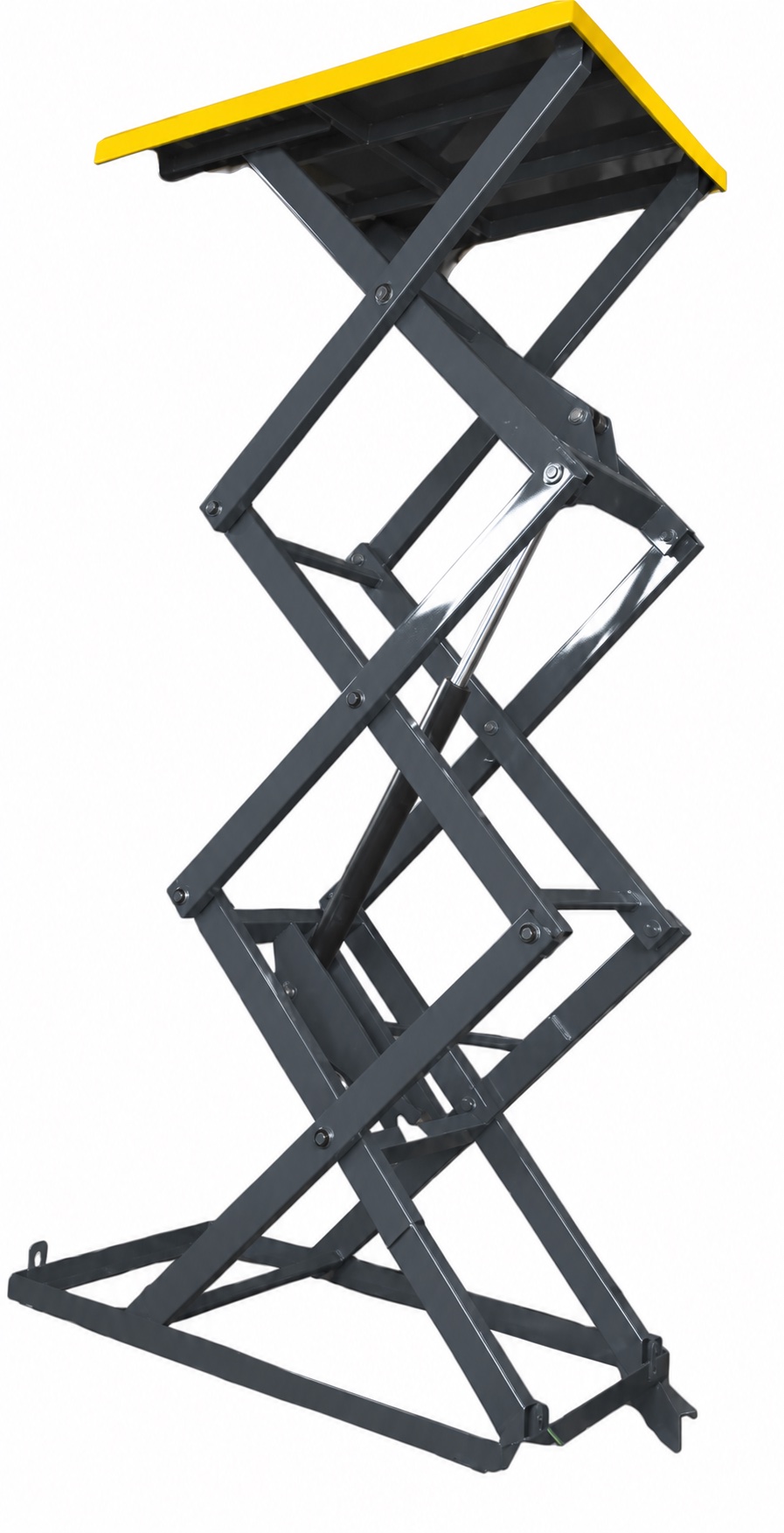
How to tell the layouts apart
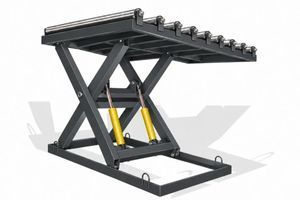
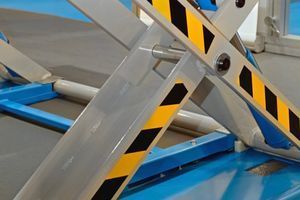
A multi-scissor configuration has scissor stages arranged one above another. This layout is considered when the required lifting height is a key factor. A double-scissor configuration with two vertical stages follows this arrangement.
A tandem table has several scissor sections operating along a shared platform. In the ASPAR catalogue, this configuration addresses tasks requiring a long working platform and coordinated operation of the sections. Tandem does not simply mean “two scissors”: vertical stages and sections along a platform must be distinguished.
Height and length are not mutually exclusive requirements. The full set of parameters must be checked for either layout. Do not choose a table solely by its number of sections or transfer one model’s highest load capacity to another.
| Feature | Multi-scissor table | Tandem table |
|---|---|---|
| Layout | Scissor stages one above another | Several sections along a shared platform |
| Starting task | Required lifting height | A long working platform |
| Essential checks | Working heights, closed height, platform and load | Usable platform, load support, heights and load |
This is a guide to comparing layouts, not a specification or an automatic recommendation.
Compare working dimensions, not just maximum height
Mark the platform’s lower and upper working heights and the levels where the load will be placed and removed. Specify the acceptable closed height separately. Where loading from floor level is required, the loading method and the possibility of pit installation must be checked for the agreed configuration.
For a long load, the usable working area matters, not just the platform’s overall length. Show where the load rests on the table, any overhangs and how it is positioned. A photograph of a long platform does not establish that any object of the same length can be lifted safely.
Long loads and high mass need separate checks
Provide the maximum total mass lifted at one time: goods, pallet, packaging and handling equipment if it travels with the load. Add dimensions and the position of heavy parts. For a trolley, provide wheel details and the locations of contact with the platform.
The same total mass can produce different load distributions. Loads on separate supports, an offset centre of gravity and uneven loading must be checked in the technical assessment. Do not select an assumed capacity margin or permissible overhang from a photograph.
Fit the table into the working area
Show loading and unloading directions, neighbouring equipment, access routes and available space on a plan. Explain whether the table changes load height within one operation or forms part of a route between working levels. Guarding, controls and access arrangements are agreed for the particular process.
Surface or pit installation, fixing, power supply and service access depend on the selected configuration. Parameters on series product pages are not ready-made building dimensions for your site. This article concerns lifting goods, not carrying people.
What to send ASPAR for a useful comparison
- One operating sequence: where the load comes from and where it is removed.
- The heaviest and largest loads, packaging, handling equipment and support arrangement.
- Lower and upper working heights and closed-height limits.
- Required usable platform length and width, plus loading directions.
- Cycle frequency, operating conditions and available power supply.
- A site plan, measurements, photos and known installation constraints.
Mark unknown information as a point to clarify. ASPAR compares configurations against these inputs rather than selecting a universal table from one number.
Frequently asked questions
Do more scissors mean greater load capacity?
No. Capacity is determined for the particular layout together with the platform, height, load distribution and duty cycle.
Is a tandem table the same as a double-scissor table for greater height?
The names describe different section arrangements. In this comparison, a double-scissor layout has two vertical stages, while a tandem layout has sections along a shared platform. Check the exact arrangement in the documentation.
Is the platform size enough to request a selection?
No. Include the load, its support and loading method, working heights, cycle frequency and installation conditions.
Explore the relevant series and application
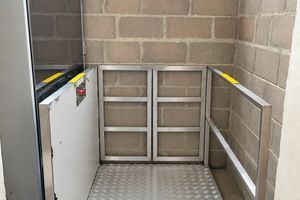
ASPAR’s own project in Belgium illustrates the integration of a scissor goods lift into a designated shaft. It is a particular site example, not confirmation of every table’s configuration. View the project in Belgium.