ASPAR
Lifting equipment for food production facilities
Raw materials, containers, semi-finished products and finished goods pass through different production areas. ASPAR selects equipment for movement between levels, load transfer, pallet handling and dispatch. Solutions are matched to the process route and conditions in each area, not just the load weight.
Choose a task
What do you need to do?
Choose a task to explore the relevant equipment. The configuration is agreed for your actual site requirements.
Move raw materials and products between levels
Compare hydraulic, chain-driven and wire-rope-hoist options against the site requirements. Drive type is separate from shaft or mast construction; capacity, height, speed, enclosure and duty may differ. Goods only, not people.
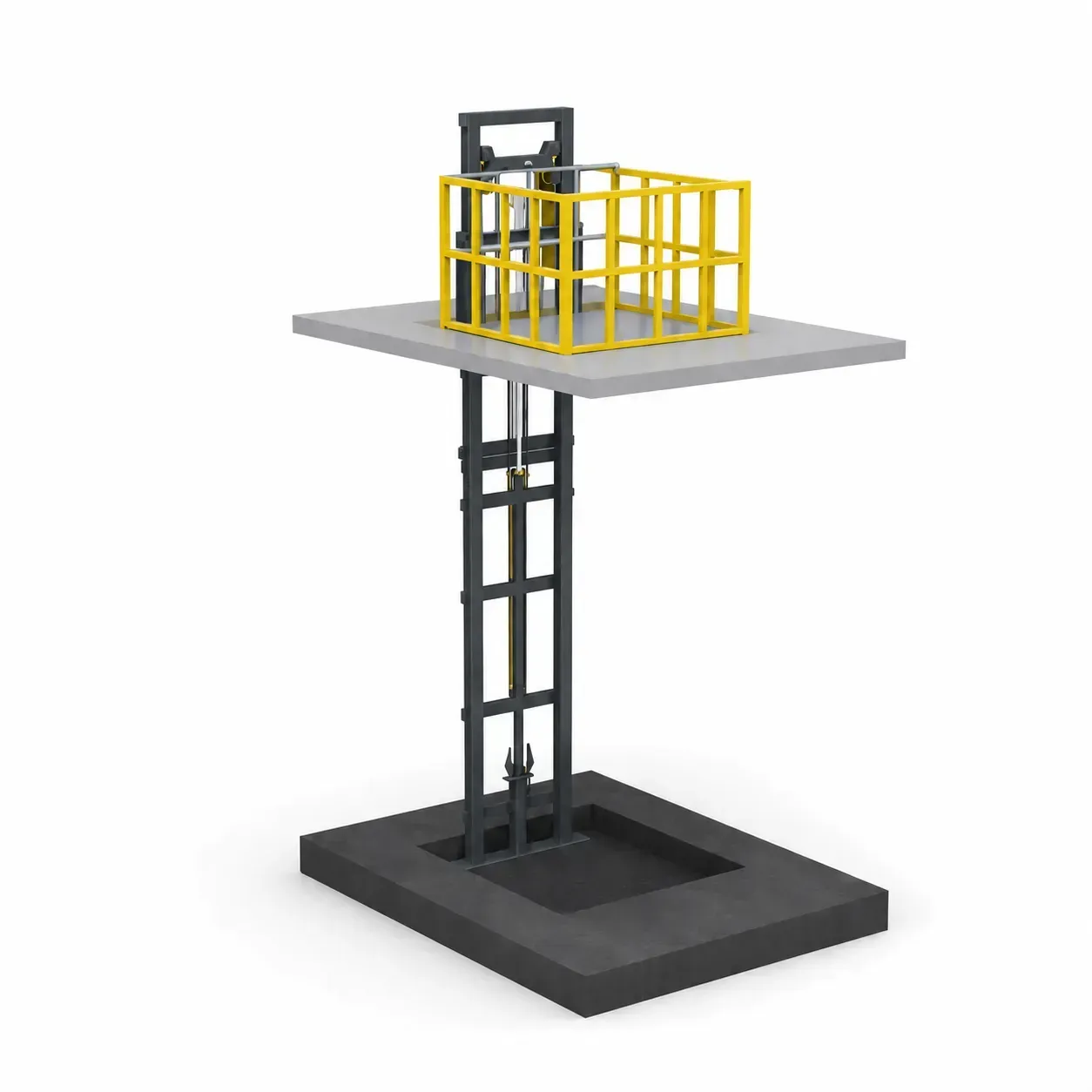
Hydraulic goods lift
View product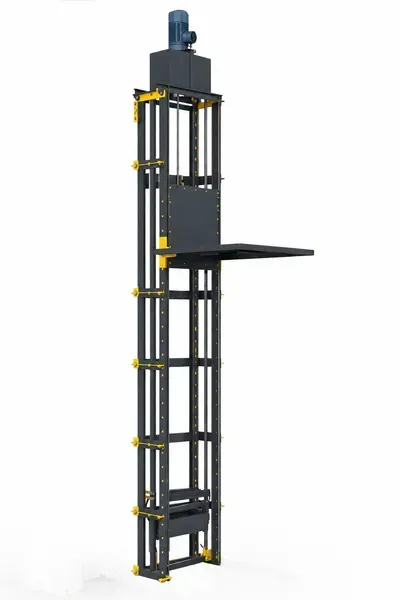
Chain-driven goods lift
View product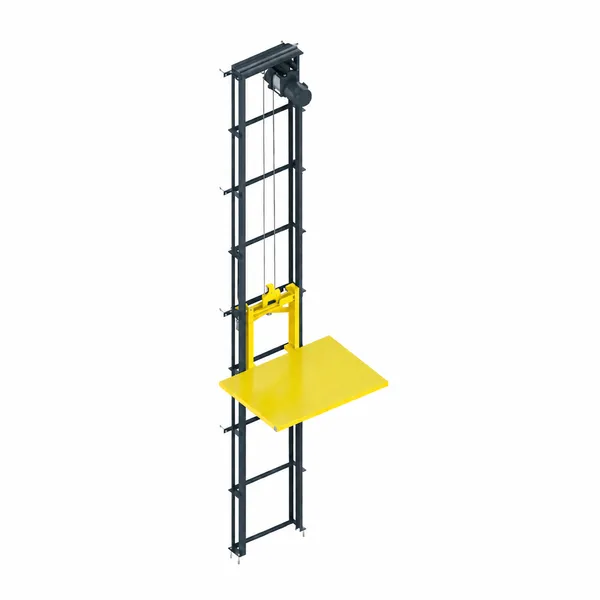
Cantilever goods lift with wire-rope hoist
View productPack products at working height
For local goods handling and working height. It is not automatically a substitute for an inter-floor lift or a personnel platform.
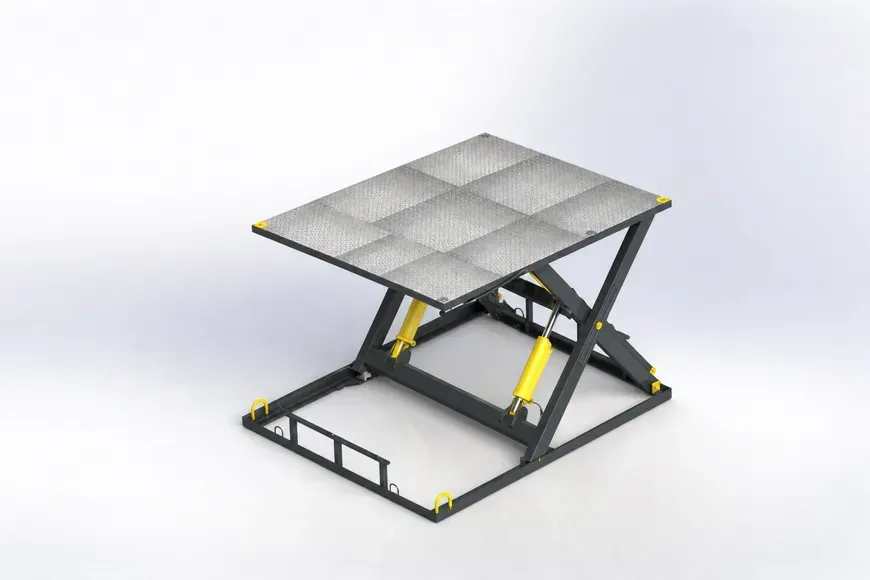
Scissor lift table
View productTransfer containers between process stations
Agree the support surface, transfer heights and direction, roller drive and controls. A roller table alone does not constitute an automated sorting line.
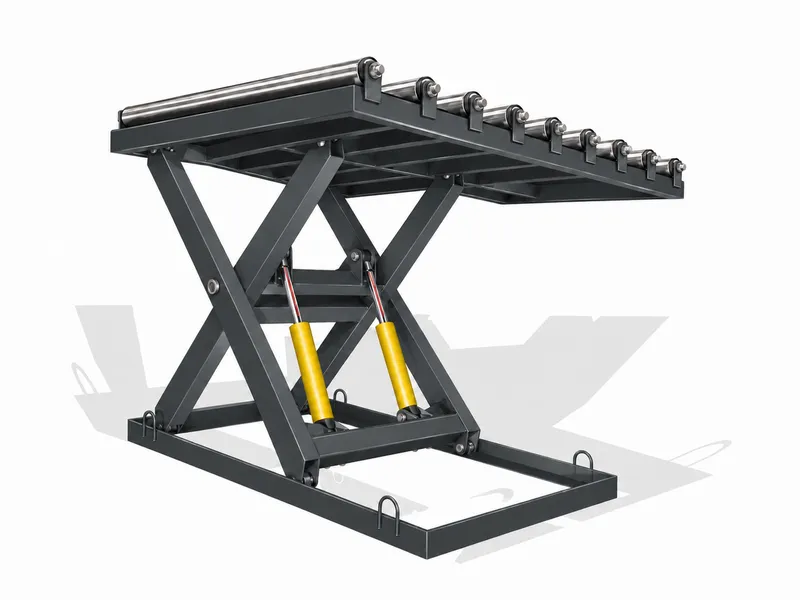
Scissor lift table with roller conveyor
View productTransfer small batches from the kitchen
Choose between a small kitchen chamber and a larger service platform by actual dimensions and loading requirements. Hygiene certification is not assumed.
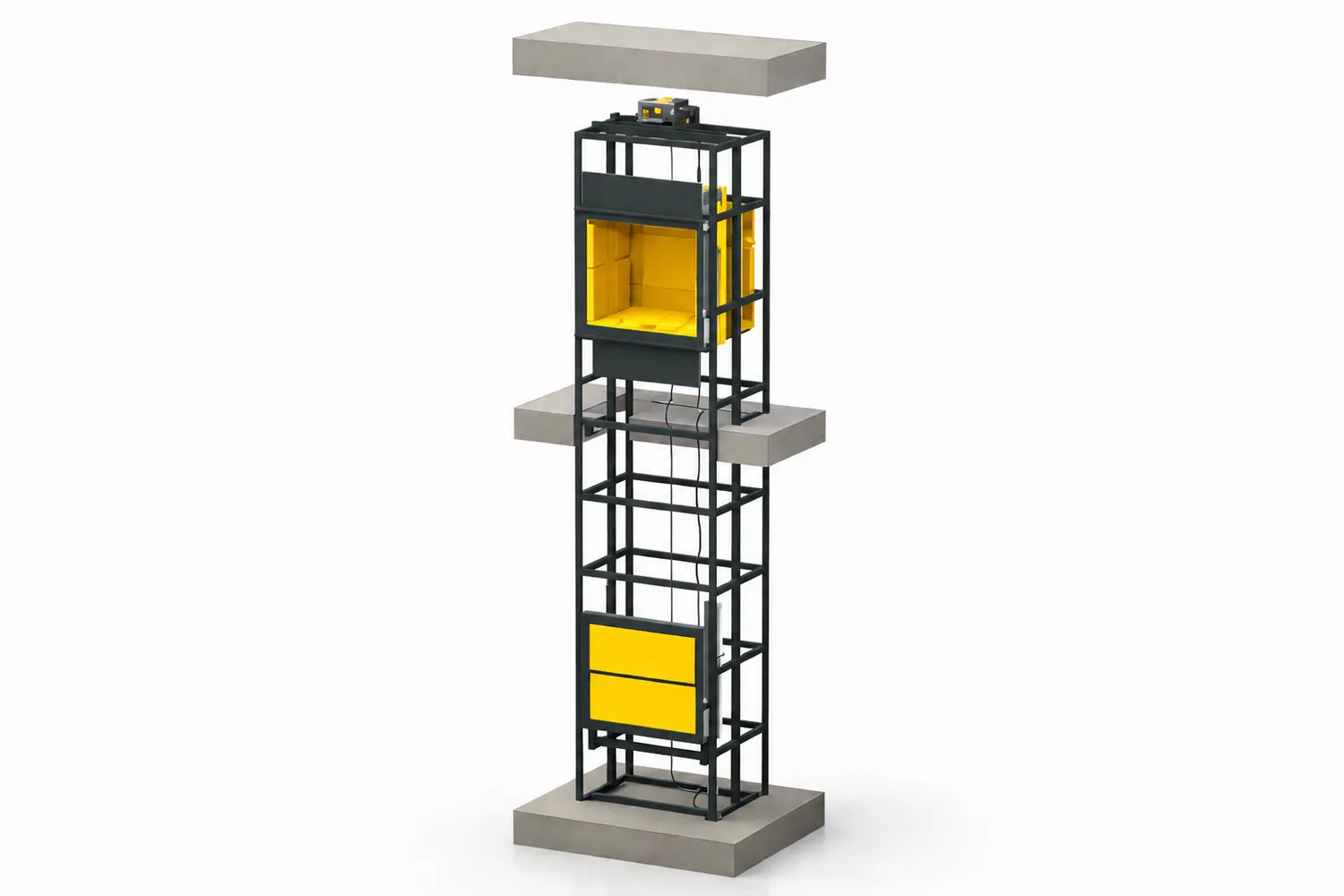
Small service goods lift
View product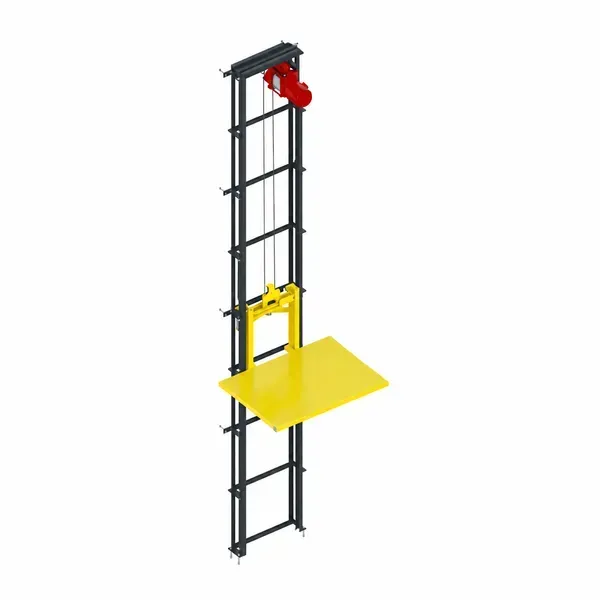
Service goods lift
View productReceive raw materials and dispatch products
A dock leveller serves a fixed loading dock; a mobile ramp requires a suitable loading route without a ready dock. Check vehicle heights, space and combined equipment and load mass; the options are not interchangeable by default.
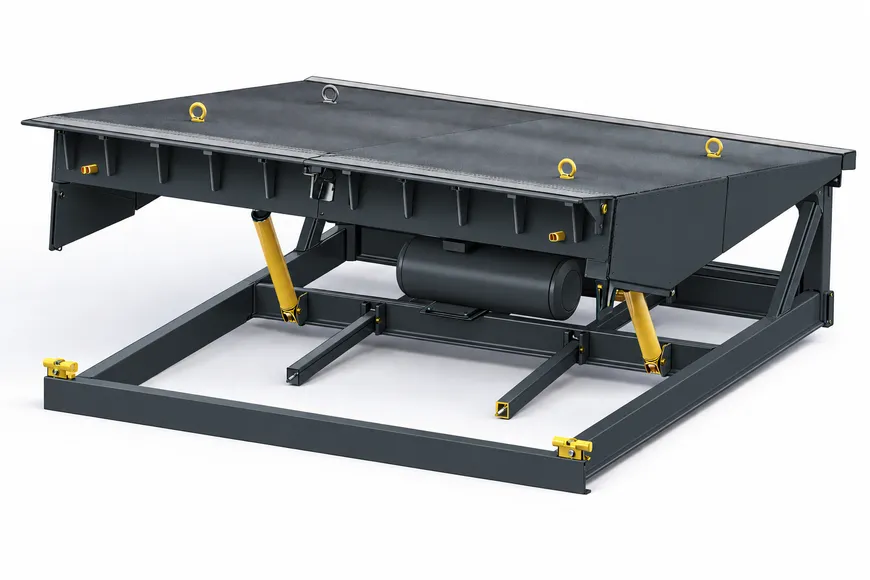
Built-in hydraulic dock leveller
View product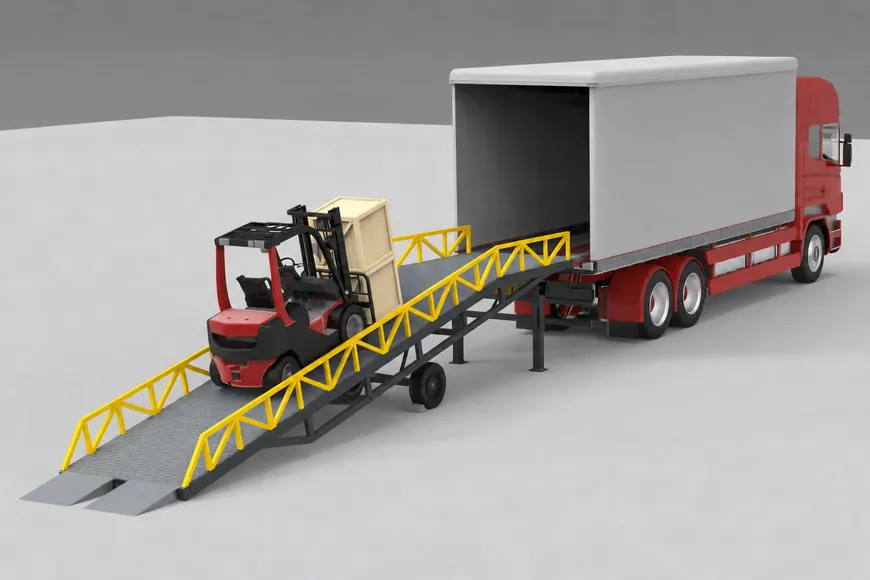
Mobile loading ramp with level platform
View productSolutions for the production route
Raw materials and products between floors
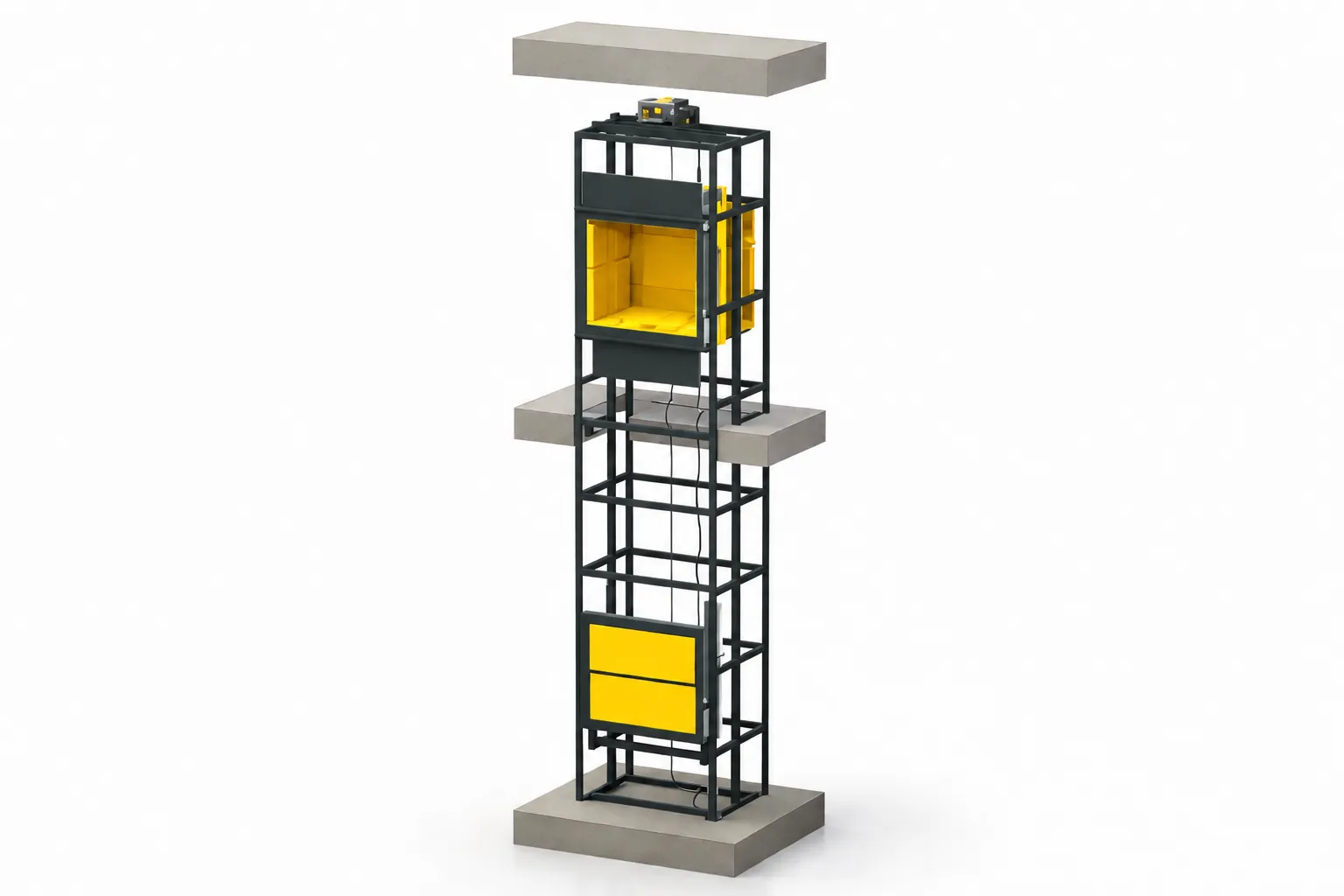
Vertical goods lifts can be considered for boxes, containers, pallets and loaded trolleys. A shaft-installed version is assessed for an existing shaft or a separate steel frame; a mast-type structure is evaluated against the available space and loading arrangement. Lift height, platform, drive, doors and guarding are agreed for the facility.
Categories: Vertical goods lifts · Shaft-installed goods lifts · Mast-type goods lifts
View equipment: Hydraulic vertical goods lift · Chain-driven vertical goods lift · Wire-rope hoist-driven shaft goods lift
Packing and order picking
Scissor lift tables allow the load height to be adjusted at a workstation. Standard, multi-scissor or mobile versions are selected according to the required lift height, platform and work area layout. A tandem structure is assessed separately for long containers or bulky loads.
Categories: Standard scissor lift tables · Multi-scissor lift tables · Tandem scissor lift tables
View equipment: Scissor lift table · Double-scissor lift table · U-shaped pallet lift table
Pallets and transfer between work areas
Pallet dimensions and the type of pallet truck matter when handling pallets. A roller-top table with powered or non-powered rollers can be considered for transferring goods between areas. Compatibility with the existing line and controls is checked separately.
Categories: Pallet lift tables · Roller-top scissor lift tables
View equipment: U-shaped pallet lift table · Roller-top lift table
Small batches and production kitchens
A kitchen lift or goods service lift can be considered for loads that fit inside its load compartment. Containers, batch size, loading method and the routes of different flows need to be defined. This is a separate solution from a full-size goods platform.
Categories: Service lifts · Small service lifts · Goods service lifts
View equipment: Kitchen lift · Goods service lift
Raw material receiving and dispatch
A dock leveller is selected for a fixed loading point; a mobile loading ramp can be considered where no such dock exists. Vehicles, height differences, loads and manoeuvring space are checked.
Categories: Loading dock equipment
View equipment: Recessed hydraulic dock leveller · Mobile loading ramp with a horizontal platform
What matters at a food production facility
Washing conditions, humidity, temperature, cleaning agents and contact with products need to be described before equipment is selected. Materials, coatings, component protection and access for cleaning are specified in the technical brief. Stainless steel construction or suitability for a particular cleaning regime should not be assumed to be a standard feature of every model.
If the process requires separate flows for raw materials, finished products, containers or waste, this is reflected in the route and loading arrangement. The lift is selected to suit the agreed layout; it does not replace that layout.
Information for the technical brief
- What is being moved: packaged products, raw materials, containers, pallets or trolleys.
- Dimensions and maximum load weight including the container or trolley.
- Heights, stops, loading directions and required operating rate.
- Temperature, humidity, cleaning method and material requirements.
- Room layout, photographs of the area, power supply and service access.
- For connection to a line: heights, directions of travel, roller type and control requirements.
Frequently asked questions
Is a standard table suitable for every food production area?
No. Suitability needs to be assessed against the conditions in the particular area. Humidity, washing, materials and process requirements are especially important.
When is a kitchen lift appropriate, and when is a goods lift needed?
A service lift can be considered for small batches in suitable containers. For pallets, large trolleys and bulky loads, a full-size goods lift is assessed. Dimensions, weight and loading method are the deciding factors.
Goods lifts, service lifts and goods lift tables are intended to move goods, not people. A separate platform lift is selected for accessibility.
Related solutions
Production facilities and workshops · Restaurants and hotels · Transferring loads with a roller-top lift table
Select equipment for your process
Describe the load and show the area on a layout or in photographs. Specify cleaning conditions and the operating environment separately. This will help develop a technical brief without broad assumptions.
ASPAR equipment illustration