
ASPAR
Lifting equipment for cultural institutions, libraries and archives
A library needs to deliver books to storage, a museum needs to move packed exhibits, and a theatre needs to take props to workrooms. Visitors also need an accessible route. ASPAR treats goods handling and accessibility as separate tasks requiring different equipment.
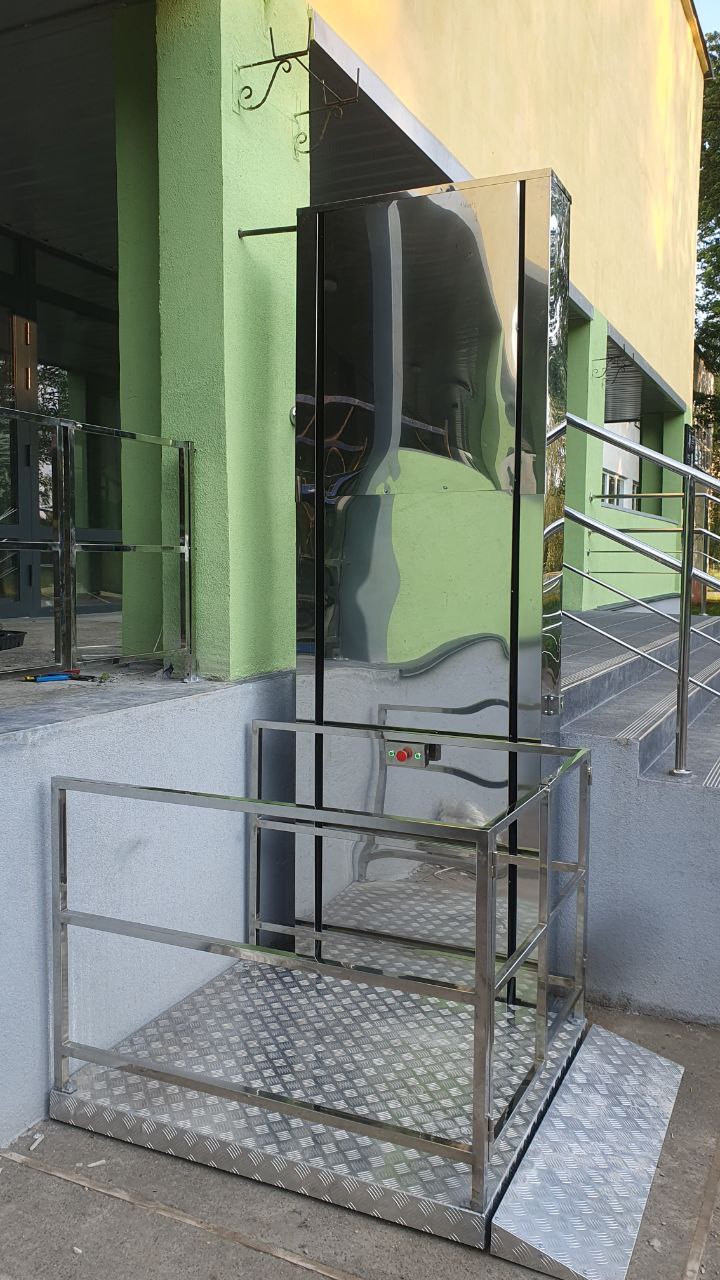
Books, archive boxes and small batches
Service lifts may be considered for moving books, packed documents and other small loads between levels. Container dimensions, loading height and stops matter as well as weight. If a trolley is used, include its dimensions and weight in the selection brief.
Explore the equipment: Service lifts, Small service lifts, Goods service lifts, Goods service lift.
Collection storage, props and trolleys between floors
Vertical, shaft or mast goods lifts may suit larger loads. Selection depends on available space, supports, a shaft, platform dimensions and the loading method.
Explore the equipment: Vertical goods lifts, Shaft goods lifts, Mast goods lifts.
For an initial comparison, explore hydraulic vertical, wire-rope hoist shaft and twin-mast configurations. The drive is selected separately from the construction type.
Explore the equipment: Hydraulic vertical goods lift, Wire-rope hoist shaft goods lift, Twin-mast goods lift.
For fragile or valuable items, describe packaging, securing, handling and permitted exposure requirements in advance. Suitability is confirmed after assessing the task; the equipment name alone does not guarantee protection of an exhibit.
Working height, preparation and receiving
Work areas and changes in level
A standard scissor table may raise goods to working height. Greater travel may require a multi-scissor design; a long load may call for a tandem arrangement, subject to assessment. A mobile table may suit a task where the working position changes.
Explore the equipment: Standard scissor lift tables, Multi-scissor lift tables, Tandem scissor lift tables, Mobile scissor lift tables, Double-scissor lift table.
Pallet deliveries and goods entrances
A large collection store, archive or theatre warehouse may need pallet tables and loading-area equipment. These should be selected where the handling route requires them, not added to every facility.
Explore the equipment: Pallet lift tables, Dock equipment, Built-in hydraulic dock leveller, Mobile loading ramp with a horizontal platform.
Visitor accessibility
Entrances, stairs and differences between publicly accessible levels are assessed separately. Options include vertical platforms, inclined platforms along stairs and ramps where the route geometry is suitable.
Explore the equipment: Vertical accessibility platforms, Inclined accessibility platforms, Access ramps, Hydraulic vertical accessibility platform.
Goods lifts, service lifts and goods scissor tables are not offered for carrying visitors or performers.
Examples of scissor table configurations
Explore the equipment: Tandem scissor lift table, U-shaped pallet lift table, Mobile scissor lift table.
The load, required travel and loading method determine the appropriate configuration.
What to check before choosing equipment
- The route from receiving to storage, a workshop or another room.
- Load weight and dimensions, including protective packaging and a trolley.
- Doors, passages, height, stops and loading directions.
- Installation feasibility, fixing points and maintenance access in the existing building.
- Restrictions on building alterations and approvals to be arranged by the customer.
- Requirements for handling valuable items and the operating pattern.
- A separate accessible route for people.
An ASPAR project example
Electromechanical service lift in Kyiv illustrates a goods service lift configuration. It illustrates goods handling at another ASPAR project. A cultural institution’s requirements must be assessed individually.
Frequently asked questions
Is a goods lift stage machinery?
No. This page concerns operational handling of props and other goods. Moving a stage or carrying performers is not within the intended use of these goods-handling solutions.
Can an employee ride with a trolley?
The goods-handling equipment described here is not intended to carry people. The employee’s route must be arranged separately.
Can equipment be selected for an old building?
That depends on the installation space, structure and building restrictions. An initial assessment needs photos, a layout and dimensions; a façade photograph alone cannot establish feasibility.
Discuss your facility’s handling route
Show where goods start and finish their journey, and identify barriers for visitors separately. ASPAR can help determine the relevant equipment categories.