SOLUTIONS FOR AGRICULTURE
Lifting solutions for the agricultural sector
For an agricultural or processing facility, ASPAR may consider a cargo lift, scissor lift table, service lift or custom solution according to the load, height, number of levels and environmental conditions.
Choose a task
What do you need to do?
Choose a task to explore the relevant equipment. The configuration is agreed for your actual site requirements.
Organise animal movement
This animal-handling ramp version has no scales. Species, animal mass, passage dimensions and ground conditions determine the configuration.
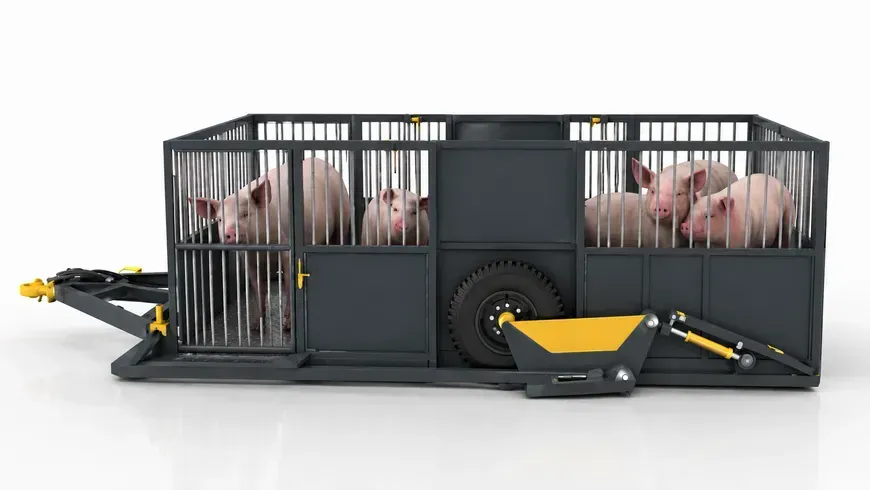
Mobile animal-handling ramp without scales
View productMove packaged products between levels
Compare hydraulic, chain-driven and wire-rope-hoist options against the site requirements. Drive type is separate from shaft or mast construction; capacity, height, speed, enclosure and duty may differ. Goods only, not people.
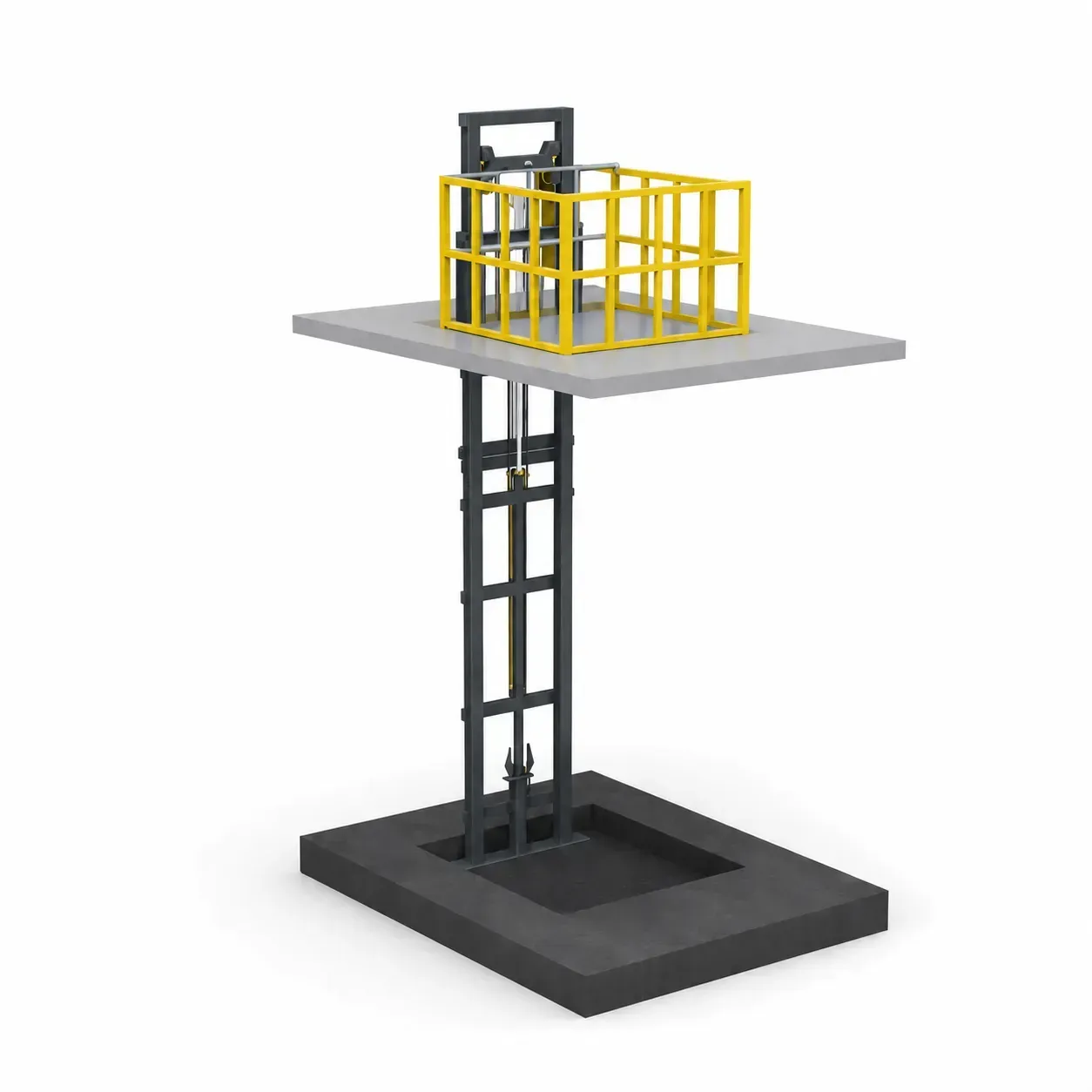
Hydraulic goods lift
View product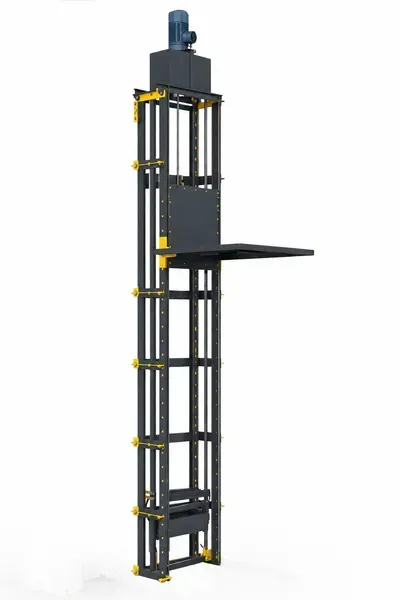
Chain-driven goods lift
View product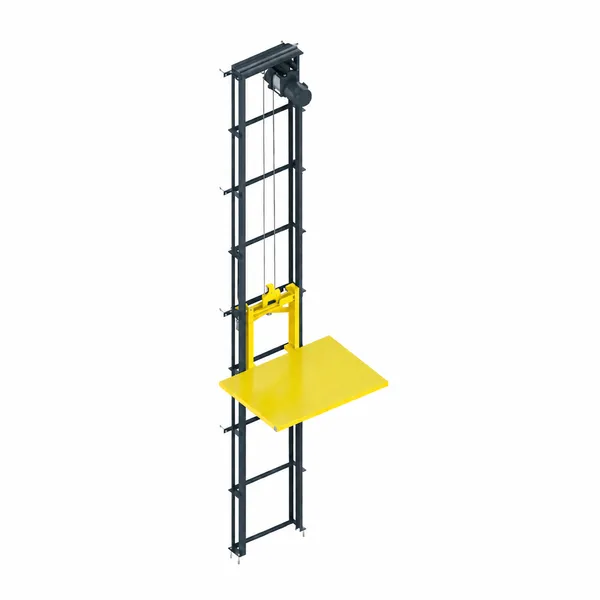
Cantilever goods lift with wire-rope hoist
View productRaise containers to working height
For local goods handling and working height. It is not automatically a substitute for an inter-floor lift or a personnel platform.
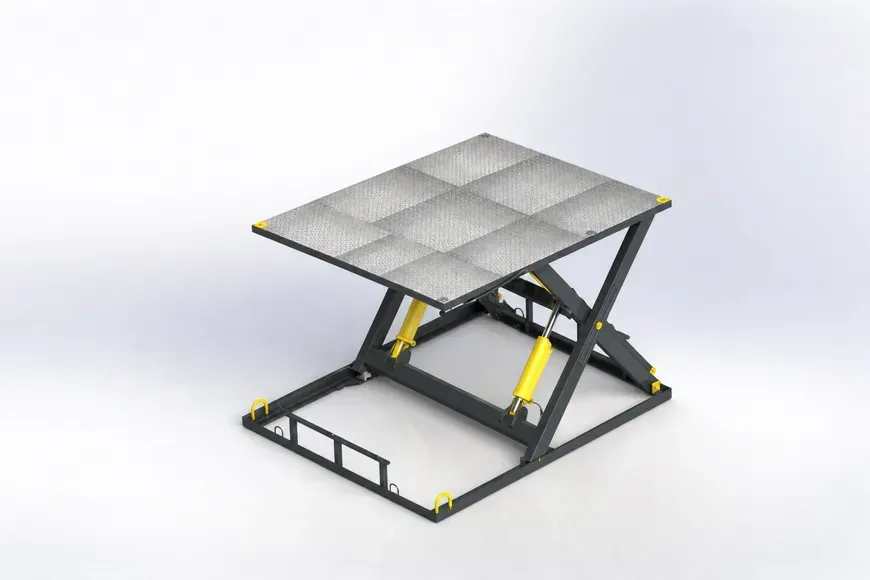
Scissor lift table
View productOrganise product loading
A dock leveller serves a fixed loading dock; a mobile ramp requires a suitable loading route without a ready dock. Check vehicle heights, space and combined equipment and load mass; the options are not interchangeable by default.
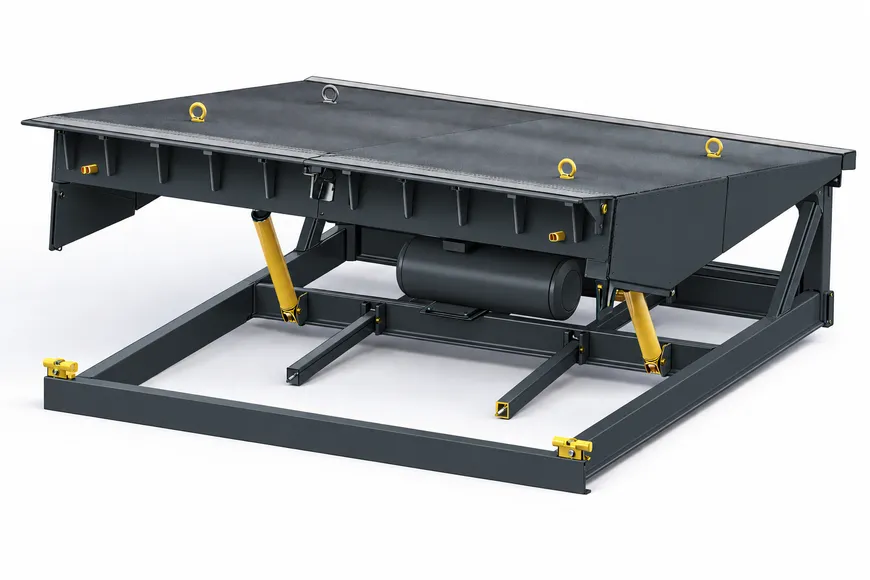
Built-in hydraulic dock leveller
View product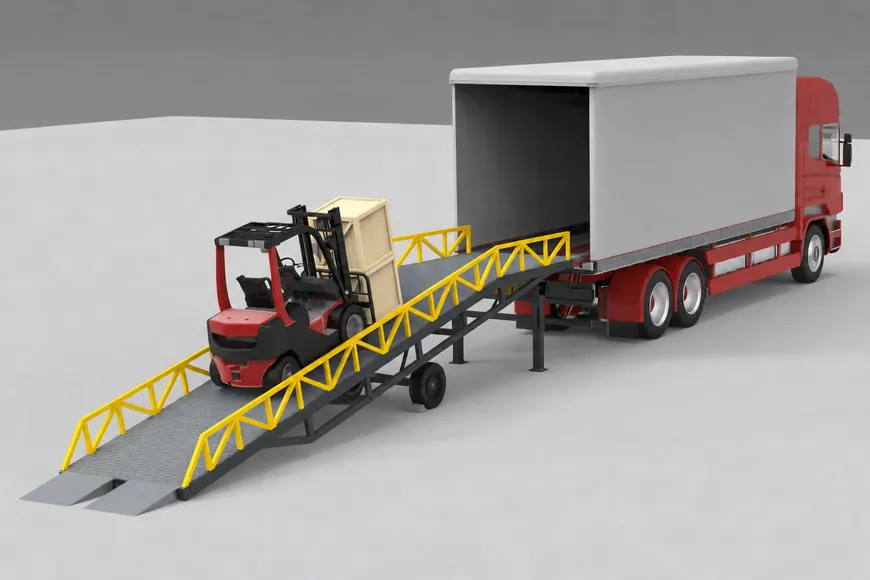
Mobile loading ramp with level platform
View productTransfer small batches of goods
Confirm package dimensions, batch mass, loading position and stops. Not for people; wheeled loads require a specifically agreed configuration.
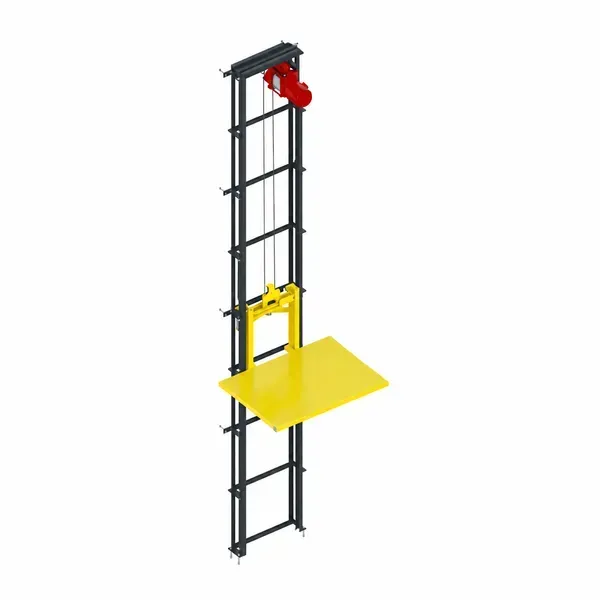
Service goods lift
View productWhat needs to be solved
The task and actual route are defined before the equipment category is selected.
Internal logistics
Moving loads, containers or materials between levels.
Working height
Delivering a load to a process, storage or service zone.
Site conditions
Assessing space, loading method and operating environment.
The task ASPAR solves
ASPAR reviews the purpose, route, geometry, height, load, available space, installation conditions and coordination points. The final configuration is determined only from the specific site's data.
Recommended solution types
Cargo lifts
The category is considered only for the relevant task and site conditions.
Learn moreScissor lift tables
The configuration is based on the route, geometry and actual input data.
Learn moreService lifts
The solution is used only after technical assessment and agreement on work boundaries.
Learn moreWhat determines the selection
Parameters from another project are not transferred automatically. Actual data are required for assessment.
- task and use scenario
- height, levels or stair route
- load and dimensions where relevant
- available space and travel direction
- indoor or outdoor conditions
- photos, plan or section of the area
Integration and site preparation
Entry or loading zones, landings, guarding, fixing points, access for installation and maintenance, power and preparatory-work boundaries are checked.
Useful resources and services
Frequently asked questions
Which data are needed for the first assessment?
Photos or a plan, basic dimensions, the task, route and known site constraints.
Can another project's configuration be repeated?
No. The category and parameters are checked for the specific facility.
When is the final equipment type determined?
After input-data review and technical assessment of the integration area.
ASPAR equipment for an agricultural task
For an agricultural loading-access task, equipment is considered according to the actual process and site conditions.
Discuss a technical solution
Send photos, a plan or a short technical brief. ASPAR will check whether the data are sufficient and identify the next step.
ASPAR equipment photograph