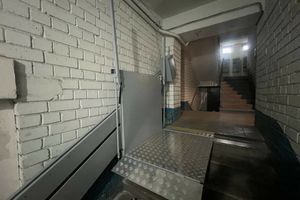
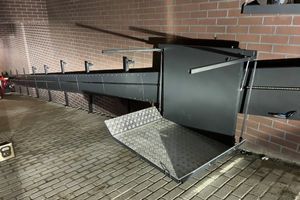
Ordering a lift starts well before cutting metal. First, we need to understand the task, agree on a solution and establish who is responsible for what. The customer can then see what they will receive, while the ASPAR team works from agreed requirements rather than assumptions.
Our process covers the technical brief, contract, design, approval and production. Subsequent work, including delivery, installation and handover, depends on the agreed scope of the order. Here is what each stage involves and what it means for the customer.
1. Discussing the task and technical brief
We establish who or what needs to move, between which levels, and how the equipment will be used. We discuss the installation location, route, configuration and site constraints. Photos, a plan and known dimensions provide a starting point; missing information needs clarification.
The technical brief turns “we need a lift” into specific requirements. Customer and manufacturer should share an understanding of the equipment’s purpose, operating conditions and expected outcome. Our article on initial information for lift selection explains how to prepare the relevant material.
2. Recording the agreement in a contract
The order, agreed configuration, scope of work and responsibilities need to be recorded in writing. Site preparation, delivery, unloading, installation and handover conditions deserve particular attention: none should be assumed to be included automatically.
Price, payment terms, deadlines and the change procedure are also agreed. This gives the customer a clear reference throughout the work. The contract depends on the order; there is no single set of conditions for every site.
3. Developing the technical solution
Using the agreed requirements, the ASPAR team develops the lift structure, component arrangement, movement and controls. Mechanical parts and automation need to work together, and the equipment must suit the conditions of the particular site.
The customer receives approval materials within the agreed scope. This is the stage to clarify entry and exit positions, control locations and other matters affecting use. A photo of a similar lift can illustrate the desired outcome, but cannot replace a design solution.
4. Approving the design before production
We check that the proposed solution matches the task and record the approved version. Changes to dimensions, configuration or site conditions need discussion before the affected parts are manufactured.
Approval lets the customer ask questions before production work begins. Later changes also require agreement because they can affect scope, cost and timing. Everyone involved therefore needs to work from the current version of the documents.
5. Making components and preparing the controls
Production involves different operations depending on the design. Laser cutting prepares sheet-metal parts; turning produces components requiring that form of machining. Individual parts then become assemblies for the lift.
Electrical work is developed alongside the mechanics: automation, controllers, operating controls and their interaction with the mechanical components. The agreed solution determines the component selection. What matters to the customer is that production follows the approved configuration, rather than simply a list of manufacturing technologies.
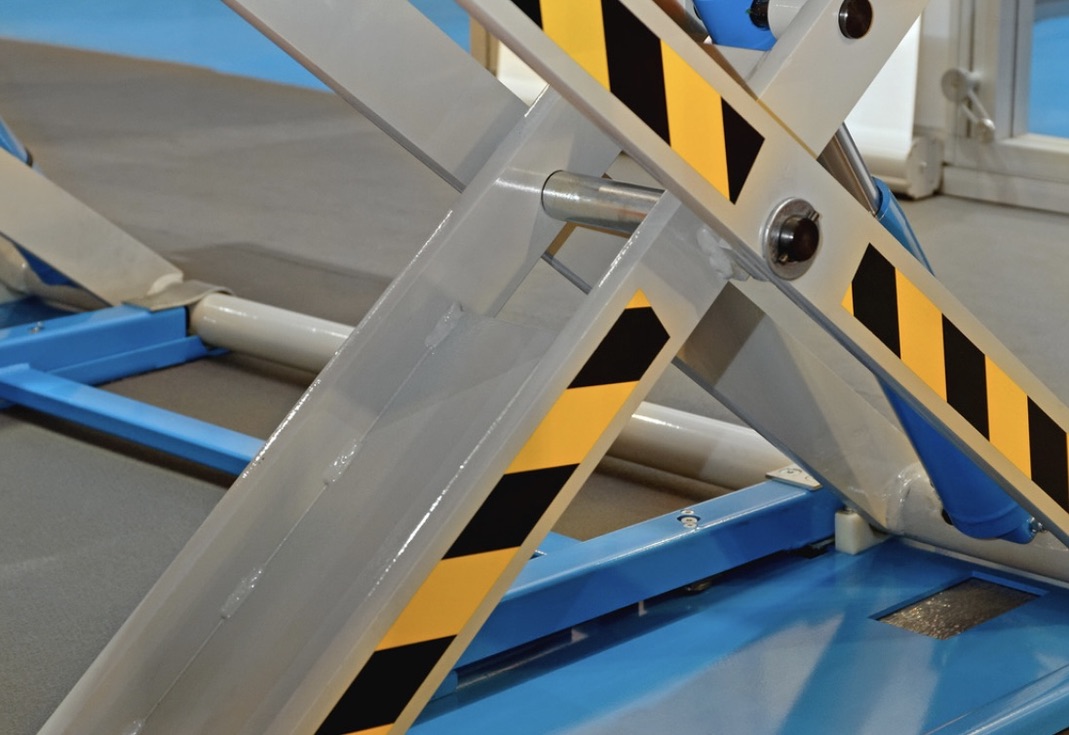
6. Assembly, checks and preparation for handover
Once parts and components are ready, assembly and the checks specified for the particular equipment follow. Delivery, installation, on-site adjustment and documentation handover are arranged according to the agreed scope.
Site readiness and access need advance coordination. Where installation is included, its conditions must reflect the actual site. After handover, the customer should understand operating instructions, how to contact service and the maintenance requirements for the particular lift.
How to compare lead times
A timeframe mentioned at the start is a preliminary estimate until the technical brief, configuration and working conditions are clarified. A short lead time quoted by another supplier may cover manufacturing only, excluding design, approval, delivery or installation. Ask which event starts the clock and exactly what marks completion.
A preliminary estimate does not replace the deadline agreed in the contract. Timing and the procedure for changes should be recorded rather than left as verbal assurances. Compare equivalent scopes and conditions to make offers easier to assess.
Let’s discuss your task
Send the ASPAR team a description of the site and the movement required. We will start with the requirements, identify questions to clarify and discuss the next steps for your order.