

|
Quantity
|
Total
|
||
|
|
|||
ASPAR VERTICAL PLATFORMS
Accessibility · Engineering · Installation
Vertical access between levels without travelling along the stairs
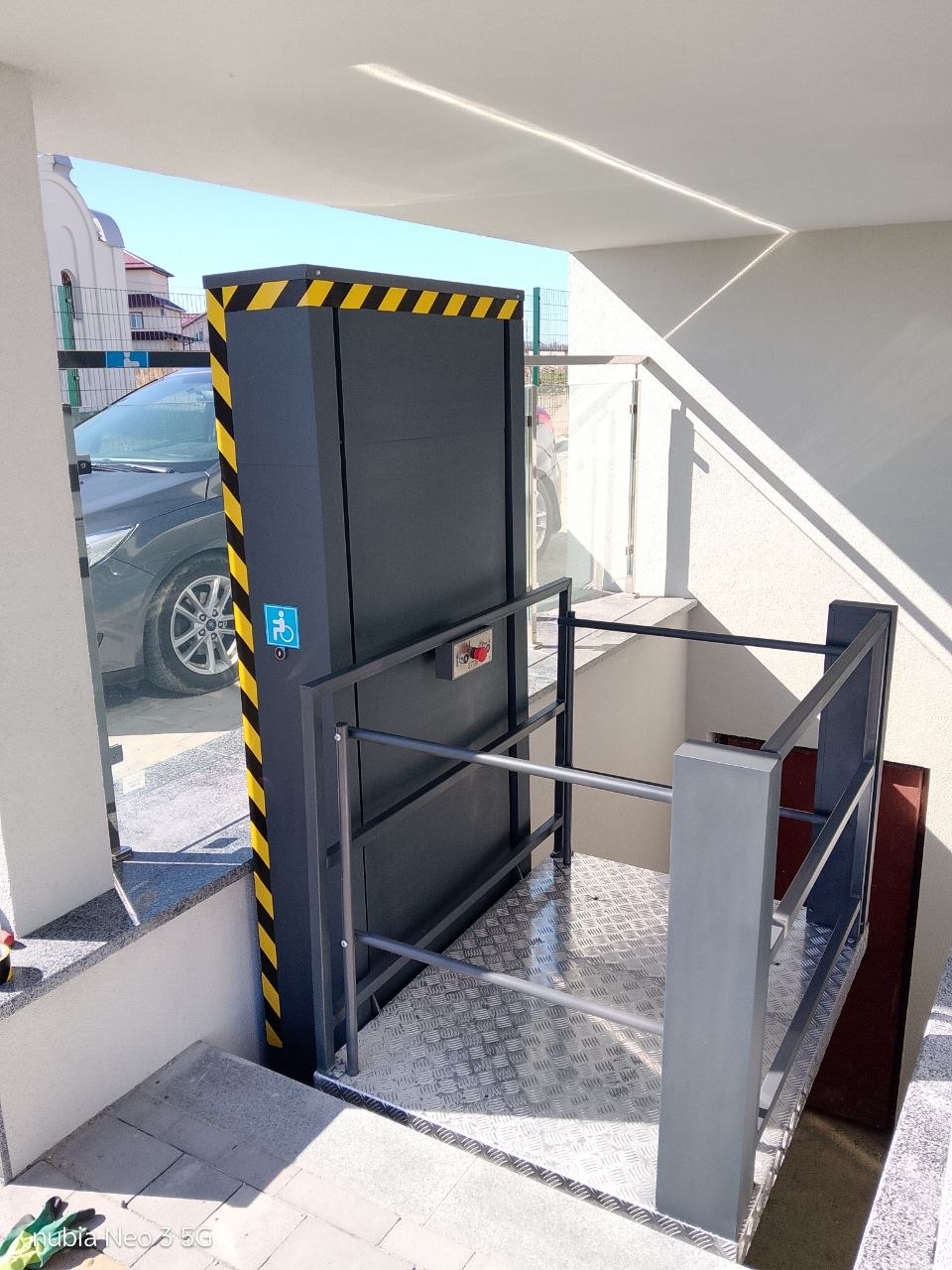
A vertical platform lift moves the user between two or more levels without travelling along a flight of stairs. ASPAR selects the platform according to the change in level, available area, entry direction, landings, operating conditions and model-specific parameters of the specific model.
01
When to consider a vertical platform
This solution is suitable for entrances, lobbies and other areas where safe landings can be arranged beside a change in level. Suitability is determined after the geometry and user route have been reviewed.
02
The problem it solves
The platform creates a vertical route when a ramp would require excessive space and travel along the stairs does not suit the site. If the route must follow the stairs, an inclined platform is assessed separately.
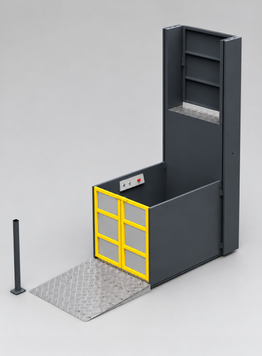
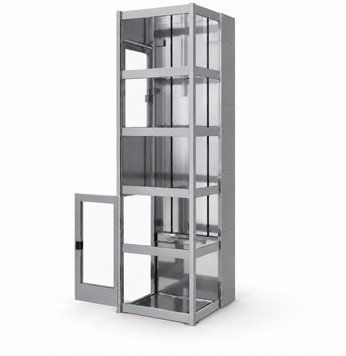
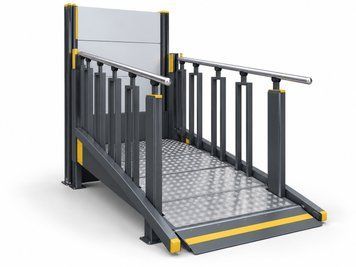
View inclined platform lifts →Three drives: where to start
Cable-driven platform →
Configurations up to 2 m; a folding platform is available.
Chain-driven platform →
Electromechanical chain drive; straight or side entry.
Hydraulic platform →
Hydraulic drive; lifting height and stops are agreed for the site.
Selection considers the change in level, installation area, entry directions and operating conditions. Dimensions, load and equipment are agreed individually.
CONFIGURATION
Standard and project-specific configuration
The model defines defined limits for load, height, drive and power. Platform size, guarding, gates, material, stops and building preparation are agreed for the specific site.
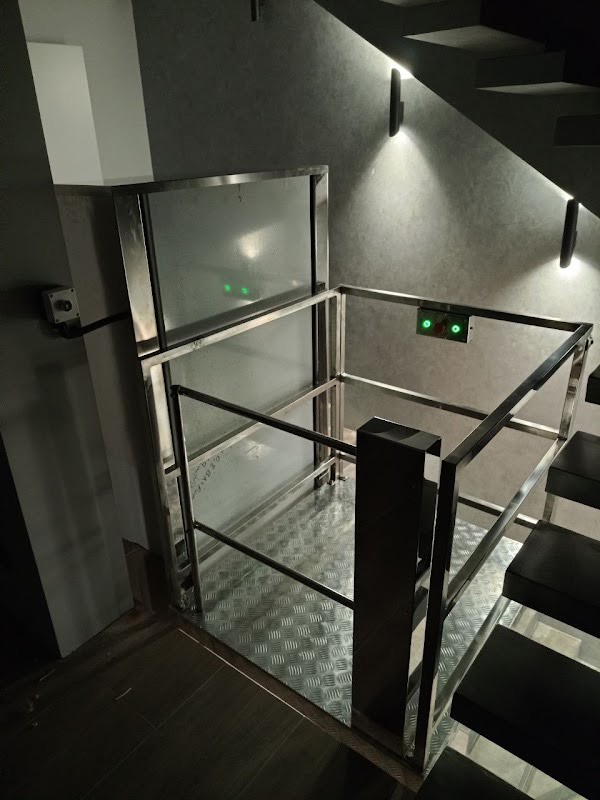
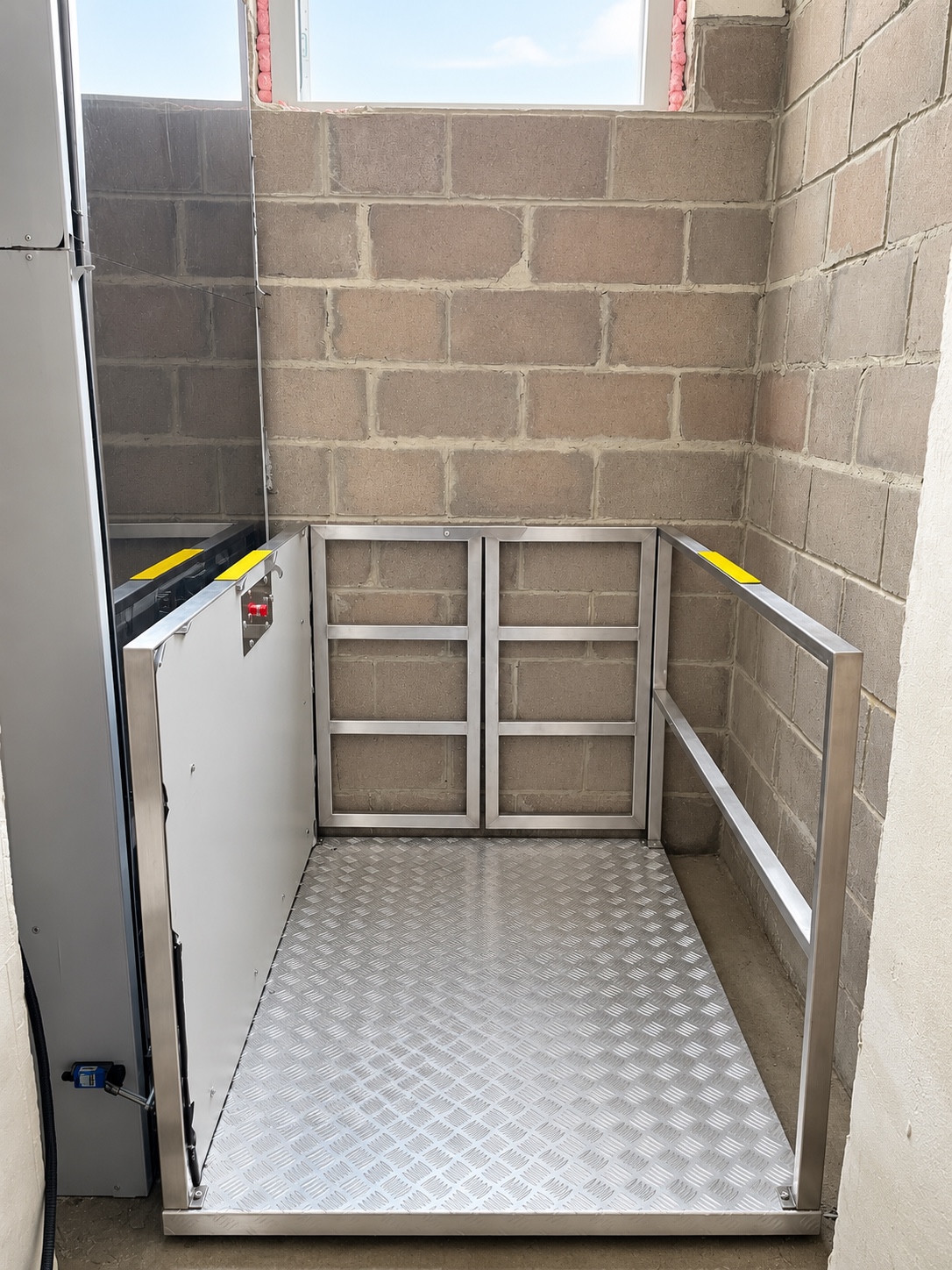
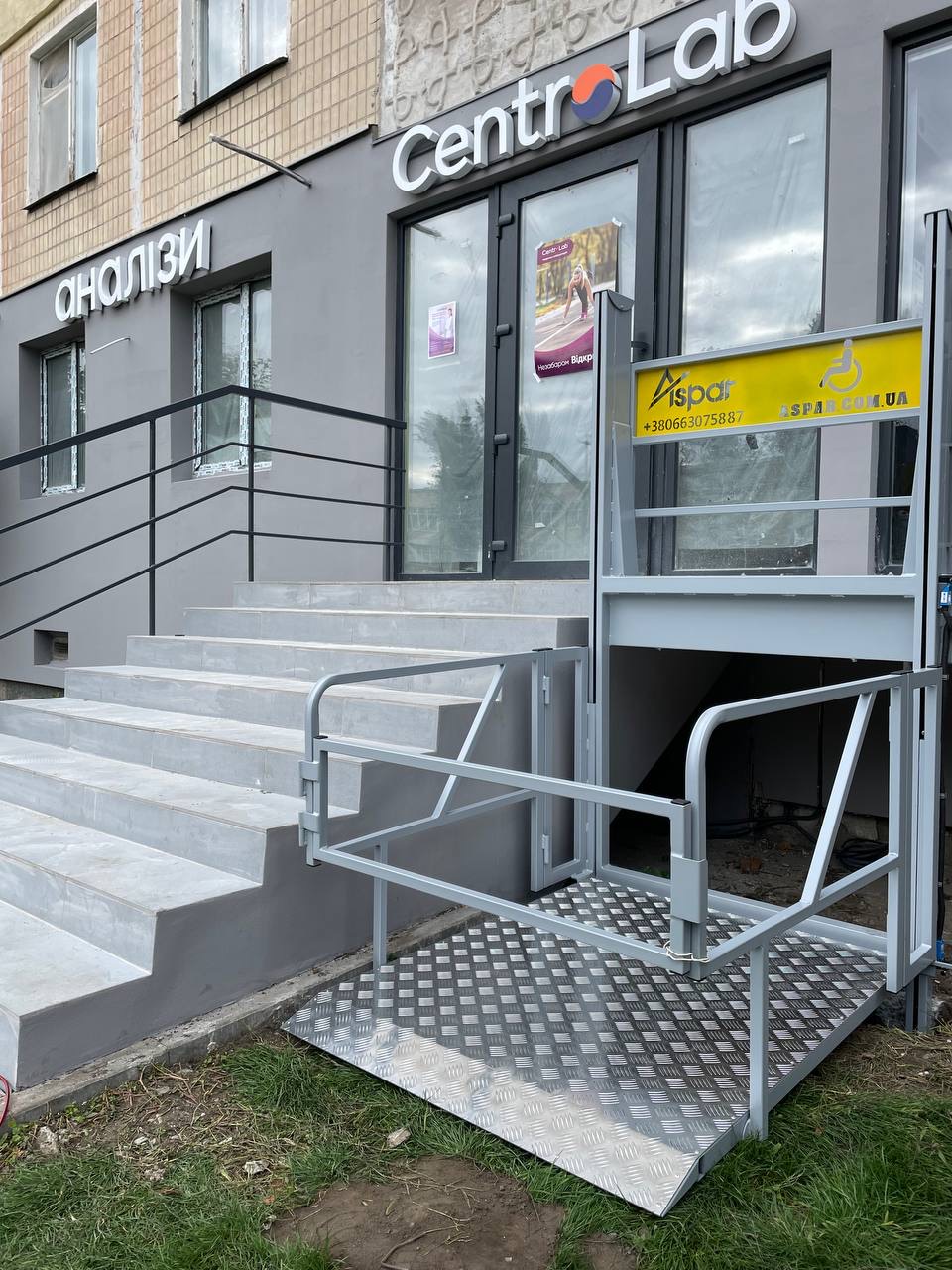
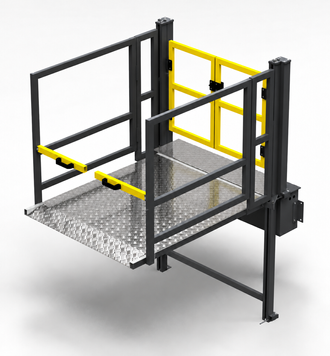
Three drive types in real projects
Examples of use, not standard configurations: each project has its own specifications.
IMPLEMENTATION
Site integration
01
Site review
Photographs, plan, change in level, available area and user route.
02
Agreement
Model, entry directions, landings, power and guarding.
03
Installation
Building readiness, delivery, installation and commissioning are agreed for the site.
04
Service
Warranty and post-warranty service terms are fixed for the supply.
KNOWLEDGE · SERVICES
Useful resources and services
FAQ
Frequently asked questions
“Hydraulic lift”, “electromechanical lift” or “hydraulic ramp”: what equipment do these terms describe?
These may be search terms or informal names for a vertical lifting platform for a wheelchair user. A hydraulic platform uses a hydraulic drive system, while a cable-driven electromechanical platform uses an electromechanical drive with cable transmission. In this context, “hydraulic ramp” means a lifting platform, not a manually operated folding ramp. Calling it a “lift” does not mean that a platform can replace any passenger lift: its purpose, route and site-specific requirements must be assessed separately.
Is a shaft required?
The need for a shaft or guarding depends on the configuration and site conditions. It is determined after the installation area has been reviewed.
Can the platform be installed outdoors?
Outdoor installation is determined for the specific execution, controls, materials and protection measures.
What should be sent for the first quotation?
Photographs or drawings, change in level, area dimensions, entry directions, installation conditions and available power supply.
How do you choose between a cable, chain or hydraulic vertical platform lift?
The drive type and construction are selected around the change in level, available space, entry directions, landing areas and operating conditions. Cable, chain and hydraulic solutions have different configuration logic, so ASPAR selects the option for the specific route and site.
Discuss a vertical platform
Send photos or a plan, the change in level, landing dimensions and entry direction. Include operating conditions and available power.
We will check the route and agree the configuration before preparing a quotation.