



|
Quantity
|
Total
|
||
|
|
|||
Individual price calculation. The final equipment price is determined after confirming the required technical parameters, dimensions, load capacity, lifting height, configuration, installation conditions and site requirements.
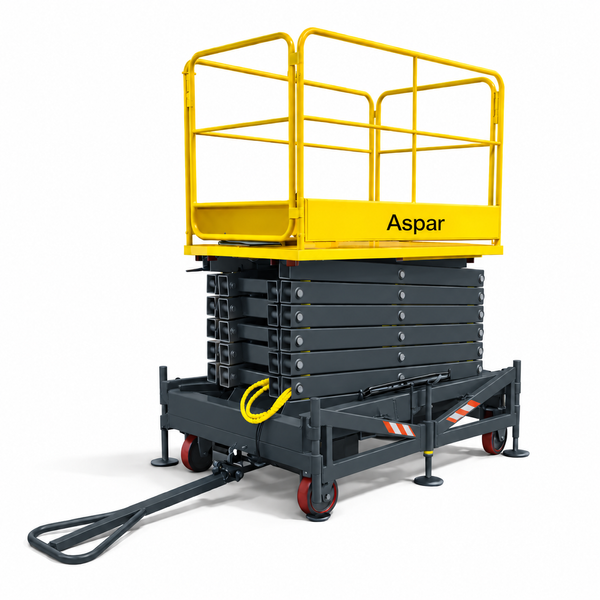
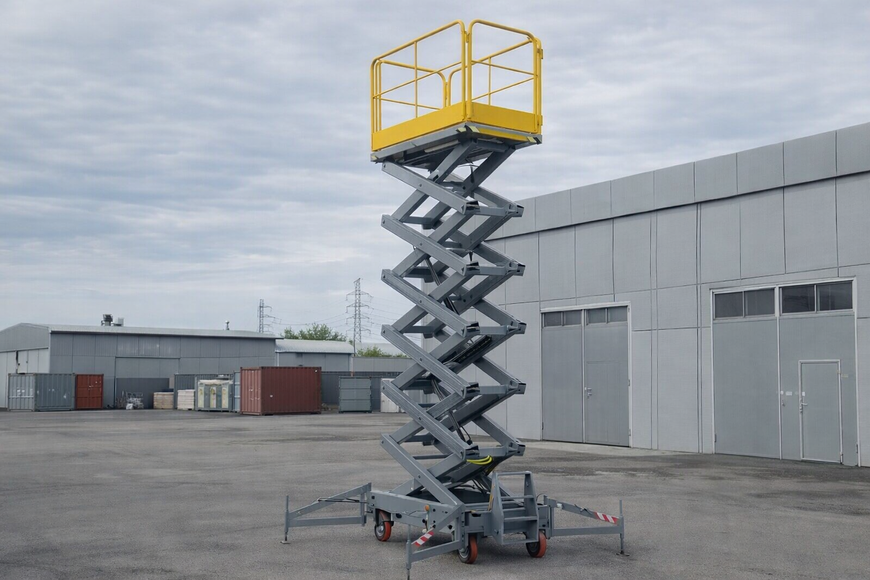
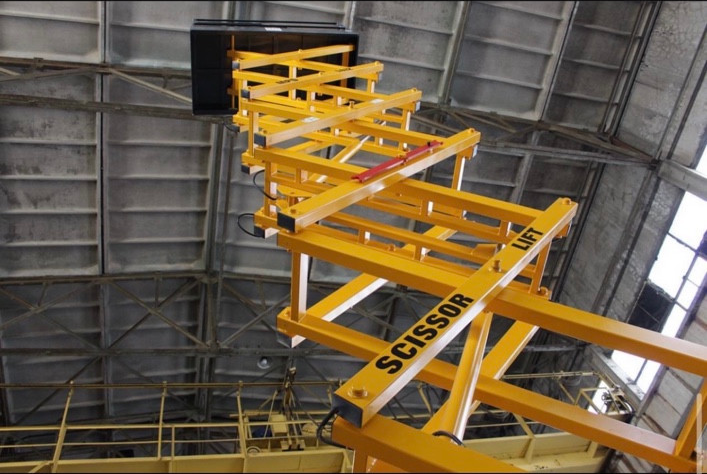
ASPAR manufactures non-self-propelled scissor lifts for work at height where personnel move the equipment between work zones without self-propelled traction. The ASPAR non-self-propelled scissor lift range is intended for installation, service and construction work.
Applications
A non-self-propelled scissor lift is used for elevated work in manufacturing, warehouse and construction areas where a work platform and equipment movement within the site are required.
Parameters and selection
The specifications for this non-self-propelled scissor lift list a 300 kg load capacity and a maximum lift height of up to 6 m. Selection considers the required working height, people and tool load, floor condition, openings, travel route and operating conditions.
Configuration
The lift configuration is selected for the site conditions, required working height, load, platform type and safety requirements.
Related solutions and services
- Manufacturing and workshop solutions
- Warehouse and logistics solutions
- Installation and dismantling
- Service maintenance
- Self-propelled scissor lift
For a quotation, contact ASPAR and send the site input data.
Frequently asked question
When is a non-self-propelled scissor lift considered?
A non-self-propelled scissor lift is considered for personnel work at height when workers physically move and position the platform rather than using its own traction. It is not a freight lift table: ASPAR confirms the working height, load, surface, route and operating conditions during selection. Where the platform needs to move independently between work zones, consider a self-propelled scissor lift.
See also: Non-self-propelled scissor lifts.
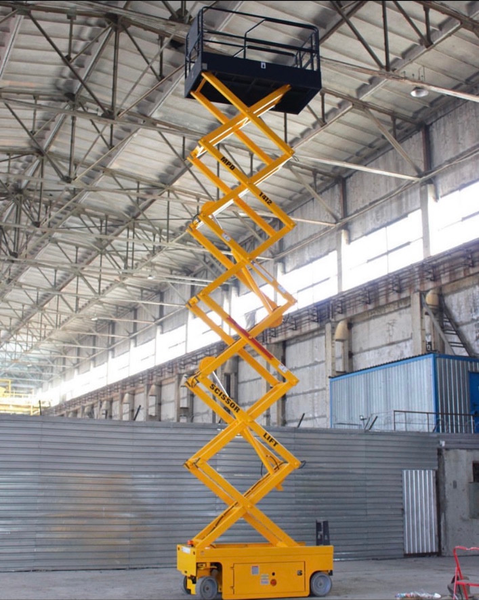
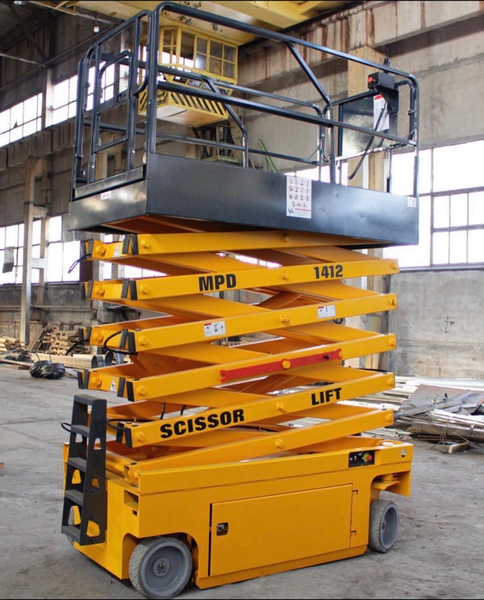
The video shows a self-propelled scissor lift version. This product page describes a non-self-propelled version, whose method of moving the equipment differs from the version shown.